PTrans Target
Hero

SDG 4: Quality Education

Ensure inclusive and equitable quality education and promote lifelong learning opportunities for all
SDG Goal

SDG 4 aims to ensure inclusive and equitable quality education and promote lifelong learning opportunities for all. Although education access has expanded, many children and adults still lack basic literacy and numeracy skills, hindering their potential.

How engineering can make it happen

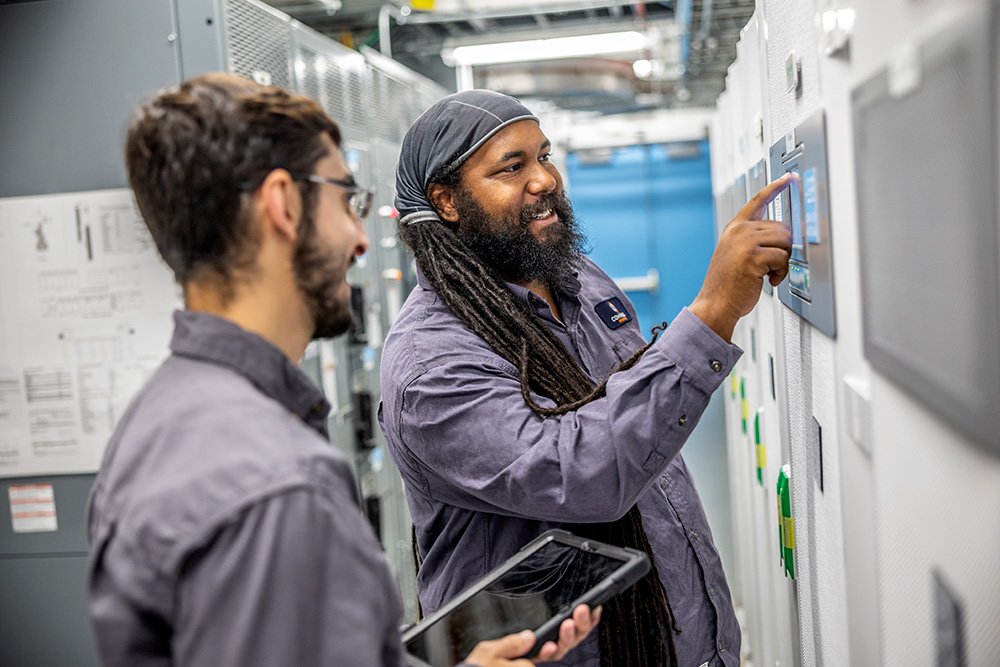
Engineers facilitate the delivery of education at primary, secondary, and tertiary levels by employing new technologies, such as online learning tools and rapid communication systems. These improve accessibility and reduce costs for students. Wi-Fi is implemented in more than 40 billion devices worldwide, underpinning advances in education and enabling other applications. Software and telecommunication engineers are fast expanding access to the internet through low-cost satellites and other aerial devices to deliver information and services to remote and low-income communities.

Film courtesy of the Royal Academy of Engineers

Global progress

  • Education is vital for sustainable development, yet progress remains off track. While enrolment and completion rates have improved since 2015, with girls outperforming boys in most regions, progress is slowing. Meanwhile, 272 million children and youth remained out of school in 2023.
  • Learning outcomes are declining in many countries. Although literacy has improved modestly, hundreds of millions of people remain illiterate, with women disproportionately affected. Deep inequalities persist due to gender, wealth, and geography.
  • To accelerate Goal 4, countries must prioritize inclusive policies and financing that simultaneously address access, learning, and equity. This includes scaling up quality early childhood education, enforcing legal guarantees for free and compulsory education, closing digital and infrastructure gaps – especially in LDCs – and expanding lifelong learning opportunities for adults and marginalized populations.
  • Education is vital for sustainable development, yet progress remains off track. While enrolment and completion rates have improved since 2015, with girls outperforming boys in most regions, progress is slowing. Meanwhile, 272 million children and youth remained out of school in 2023.
  • Learning outcomes are declining in many countries. Although literacy has improved modestly, hundreds of millions of people remain illiterate, with women disproportionately affected. Deep inequalities persist due to gender, wealth, and geography.
  • To accelerate Goal 4, countries must prioritize inclusive policies and financing that simultaneously address access, learning, and equity. This includes scaling up quality early childhood education, enforcing legal guarantees for free and compulsory education, closing digital and infrastructure gaps – especially in LDCs – and expanding lifelong learning opportunities for adults and marginalized populations.

Source: https://unstats.un.org/sdgs/report/2025/

Key Stats