PTrans Target
Hero

SDG 2: Zero Hunger

End hunger, achieve food security and improved nutrition and promote sustainable agriculture
SDG Goal

SDG 2 aims to end hunger, achieve food security and improved nutrition, and promote sustainable agriculture. Despite advances, many people worldwide still suffer from hunger and malnutrition, especially in rural areas and developing countries.

How engineering can make it happen

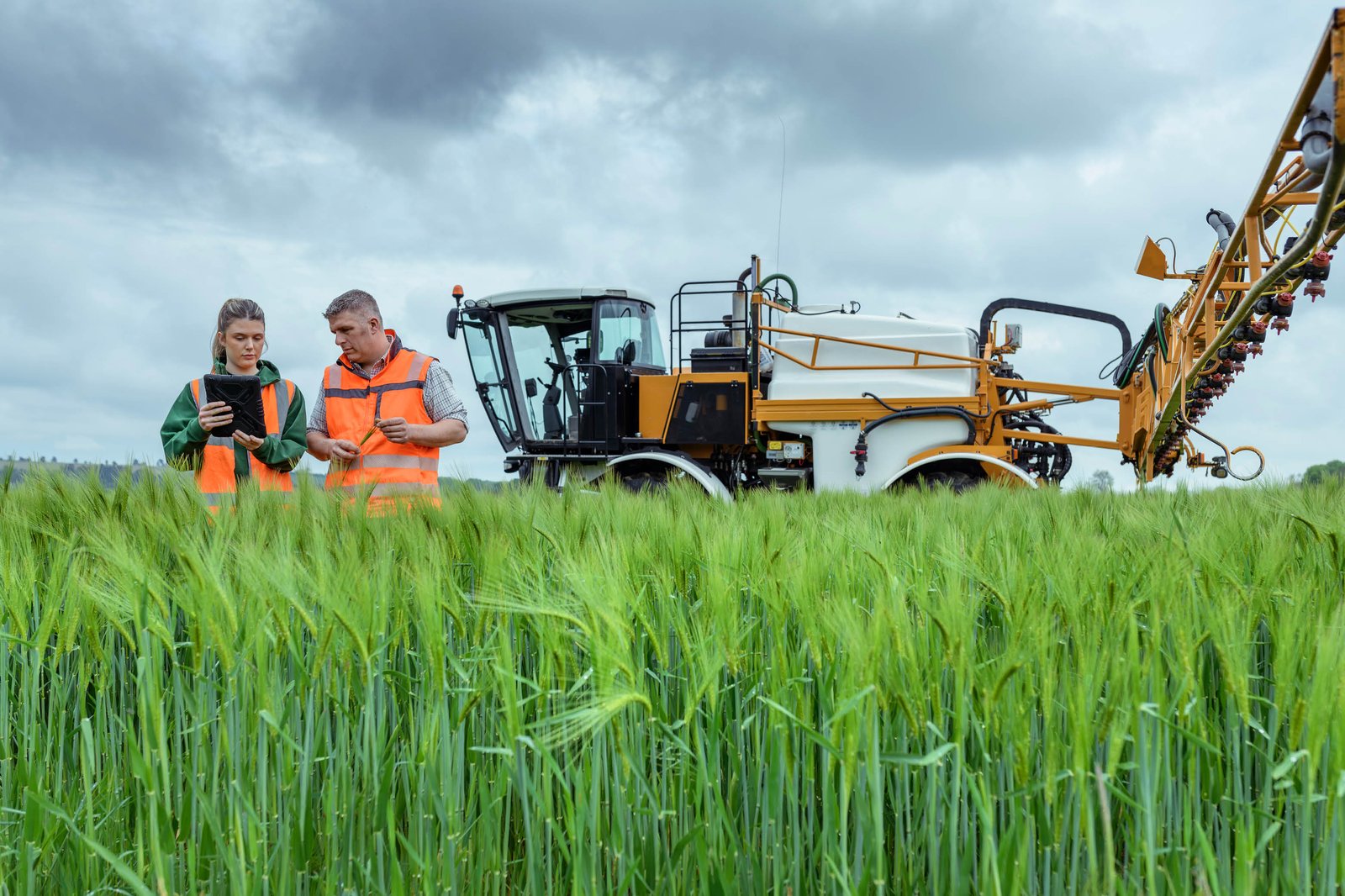
Agricultural, mechanical, and chemical engineers have engineered mechanization for agriculture and food production, and increased productivity through the use of fertilizers and pesticides. Ongoing innovations by electronics and agricultural engineers include sensors for soil moisture and condition monitoring that optimize delivery of scarce water and fertilizers. Other innovations include robotics for the application of pesticides and fertilizers, weeding and planting, and communications technology for weather monitoring, forecasting, and natural disaster warning, all of which are crucial to achieving global food security.


 

Film courtesy of the Royal Academy of Engineers

Global progress

  • Global hunger and food insecurity have declined in recent years but remain above pre-pandemic levels. In 2024, an estimated 8.2% of the global population faced hunger and about 28% – nearly 2.3 billion people – were moderately or severely food insecure.
  • Hundreds of millions of children and women are affected by malnutrition, and dietary diversity remains inadequate for both women and young children. While the share of countries with high food prices declined from 60% in 2022 to 50% in 2023, this is still more than three times pre-pandemic norms.
  • Public agricultural investment is rising, reaching $701 billion in 2023, but the agriculture orientation index continues to fall, indicating a disconnect between investment and sector importance.
  • Getting Goal 2 on track requires urgent action to strengthen food systems, support small-scale producers, improve services, ensure access to nutritious diets, and address structural drivers of food price volatility – through coordinated financing and multisectoral strategies. In 2025, the United Nations Food Systems Summit and the World Health Assembly aimed to help align global efforts with nationally defined priorities.

Source: https://unstats.un.org/sdgs/report/2025/

Key Stats