PTrans Target
Hero

SDG 14: Life Below Water

Conserve and sustainably use the oceans, seas, and marine resources for sustainable development
SDG Goal

SDG 14 aims to conserve and sustainably use the oceans, seas, and marine resources for sustainable development. Oceans face significant threats from pollution, overfishing, and climate change, jeopardizing marine biodiversity and coastal livelihoods.

How engineering can make it happen

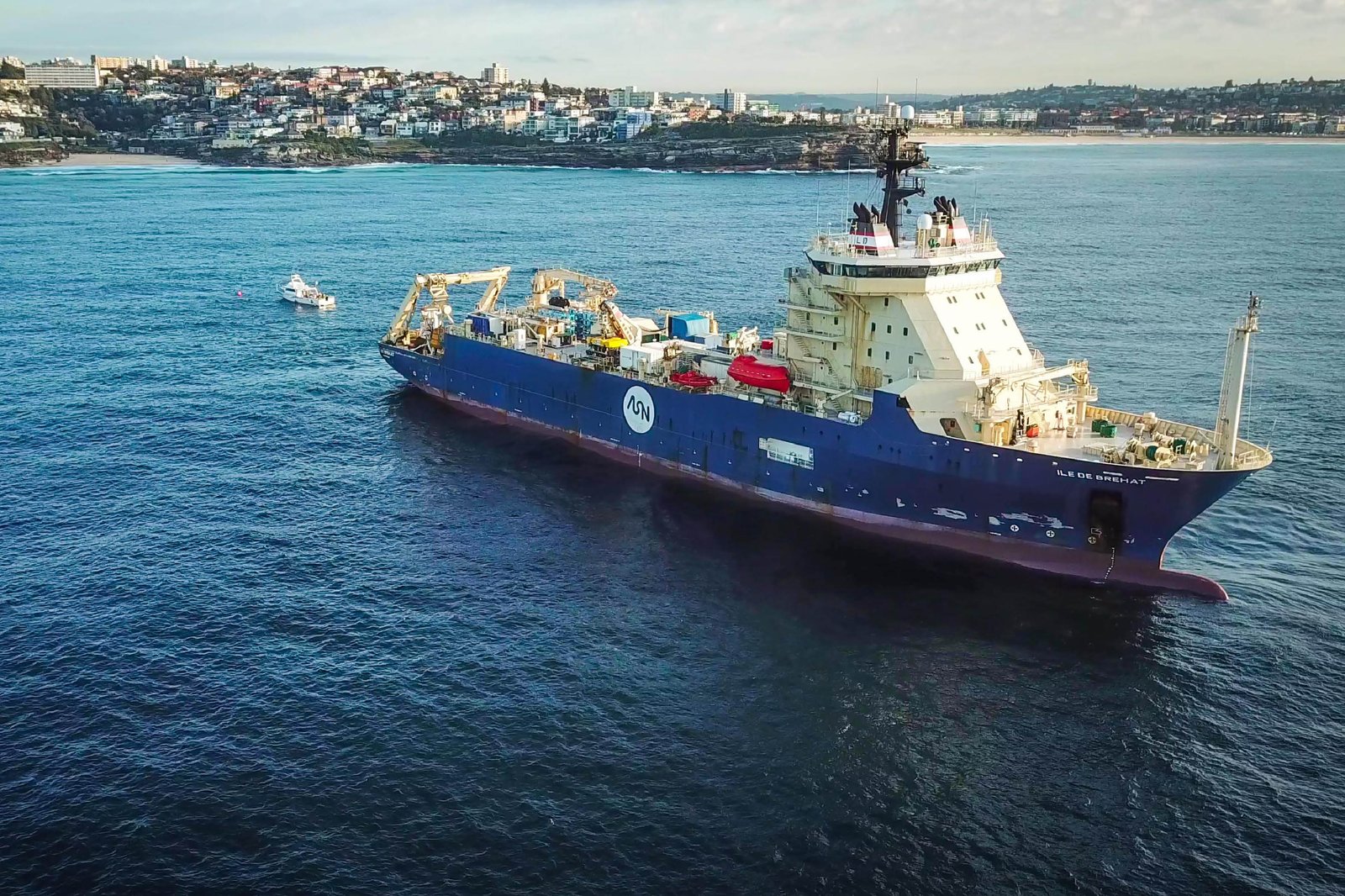
Engineers have a vital role in preserving and protecting oceans and seas, and the life within them. Marine engineers are working with scientists and other engineering disciplines to address the degradation of fisheries, the pollution of oceans, and the use of resources, including wave energy. Engineers are addressing solutions such as plastic pollution in oceans and managing ocean assets such as the Great Barrier Reef that are threatened by the impacts of climate change.

Video Thumbnail
Film courtesy of the Royal Academy of Engineers

Global progress

  • Oceans and seas are vital to life on Earth, regulating climate, sustaining biodiversity, supporting livelihoods and food security, enabling global trade, and providing countless ecosystem services. Yet they face mounting threats from overfishing, pollution, biodiversity loss, and climate change.
  • Despite growing conservation efforts, only 8.4% of the ocean is classified as marine protected areas, far short of the target of 30% by 2030, and just 46% of marine key biodiversity areas are under protection. Ocean warming and acidification continue, overfishing and illegal practices persist, and support for small-scale fisheries remains insufficient.
  • Ocean recovery is possible through sustainable ocean stewardship that combines strong fisheries management, ecosystem-based approaches, “blue finance”, and ambitious, strategic conservation. But this requires scaled-up investment, global cooperation, and innovative partnerships across all levels of society.
  • The third United Nations Ocean Conference, held in Nice in June 2025, offered renewed momentum. Countries adopted a bold political declaration and made over 800 voluntary commitments focused on marine protection, pollution control, high-seas governance and support for vulnerable nations. A key milestone was progress towards the Agreement on Marine Biological Diversity of Areas beyond National Jurisdiction (the BBNJ Agreement), with 19 new ratifications bringing the total to 50 states – just 10 states short of the 60 needed for the agreement to enter into force.

Source: https://unstats.un.org/sdgs/report/2025/

Key Stats