



Build resilient infrastructure, promote inclusive and sustainable industrialization and foster innovation
The world’s 25 million miles of paved roads carry a hidden carbon burden. Across their lifecycle, road infrastructure emissions rival the world’s total annual output, driven largely by dependence on fossil oil-based bitumen. For an industry facing supply volatility, rising costs, and growing vulnerability to climate stressors, a scalable low-carbon solution is urgently needed.
Uberbinder is tackling this challenge with a patented bio-polymerized sulfur binder technology, designed to replace bitumen with a low-carbon alternative made from abundant sulfur and regenerative biomaterials. The result is a drop-in solution that is more sustainable and fully interoperable with existing roadbuilding equipment and processes.
“Our mission is to deliver durable, high-performance roads the world desperately needs to support a low-carbon future,” says Uberbinder CEO and co-founder Jett Yang. “This isn’t incremental change; it’s a root-level transformation in how roads are built and maintained.”
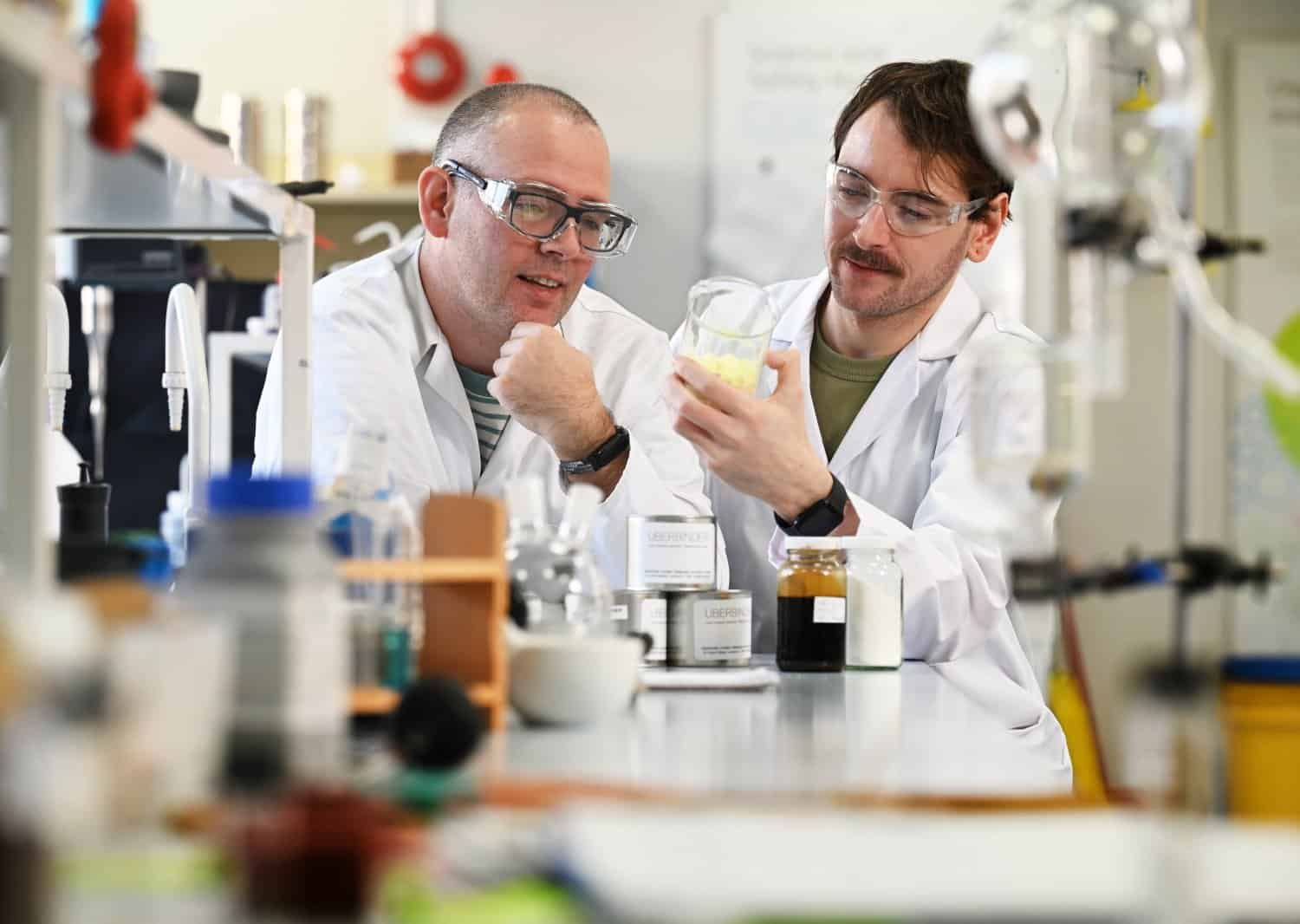
Uberbinder’s progress is driven not only by technology, but by strong, mission-aligned collaborations.
In August last year, Uberbinder and Cassidy Paving of Haverhill, Massachusetts, completed North America’s first field installation of a low-carbon asphalt test patch. The project took place within the Mass Mobility Hub research zone at BXP’s Urban Edge portfolio in Waltham, marking a major milestone in real-world deployment.
“We have tremendous opportunities to reduce the carbon impact of the transportation sector, not only from eliminating vehicle emissions, but by taking on the greenhouse gas impacts of constructing, maintaining, and renovating infrastructure,” said Jamey Tesler, Executive Director of Mass Mobility Hub. “We’re thrilled Uberbinder recognized the unique, can-do partner network we continue to build, and wanted to join us in creating a cleaner, more efficient transportation future.”
Earlier this year, Uberbinder relocated its R&D operations to the University of Liverpool’s Materials Innovation Factory (MIF). This strategic move places the company at the heart of a world-class collaborative ecosystem to accelerate development and scaling of sustainable materials.
Dr Jon Mercer, Head of Programme Operations at MIF, said, “We are delighted that Uberbinder has chosen the MIF as its new research home. Their ambition to transform the built environment aligns perfectly with our mission to deliver efficient, sustainable, and cost-effective materials at scale.”
To support industrial scaling, Uberbinder is also working closely with Advanced Flow Reactor (AFR) systems from Corning, one of the world’s leading innovators in materials science. In the UK, it is piloting low-carbon asphalt with North Lanarkshire Council and Breedon Group, supported by AECOM, following the Barriers to Decarbonising Roads Sandbox (BDRS) program with ADEPT Live Labs 2. Across Europe, Uberbinder collaborates with FEHRL (Forum of European National Highway Research Laboratories) as part of the CIRCUIT consortium, supporting pilot projects in Spain.
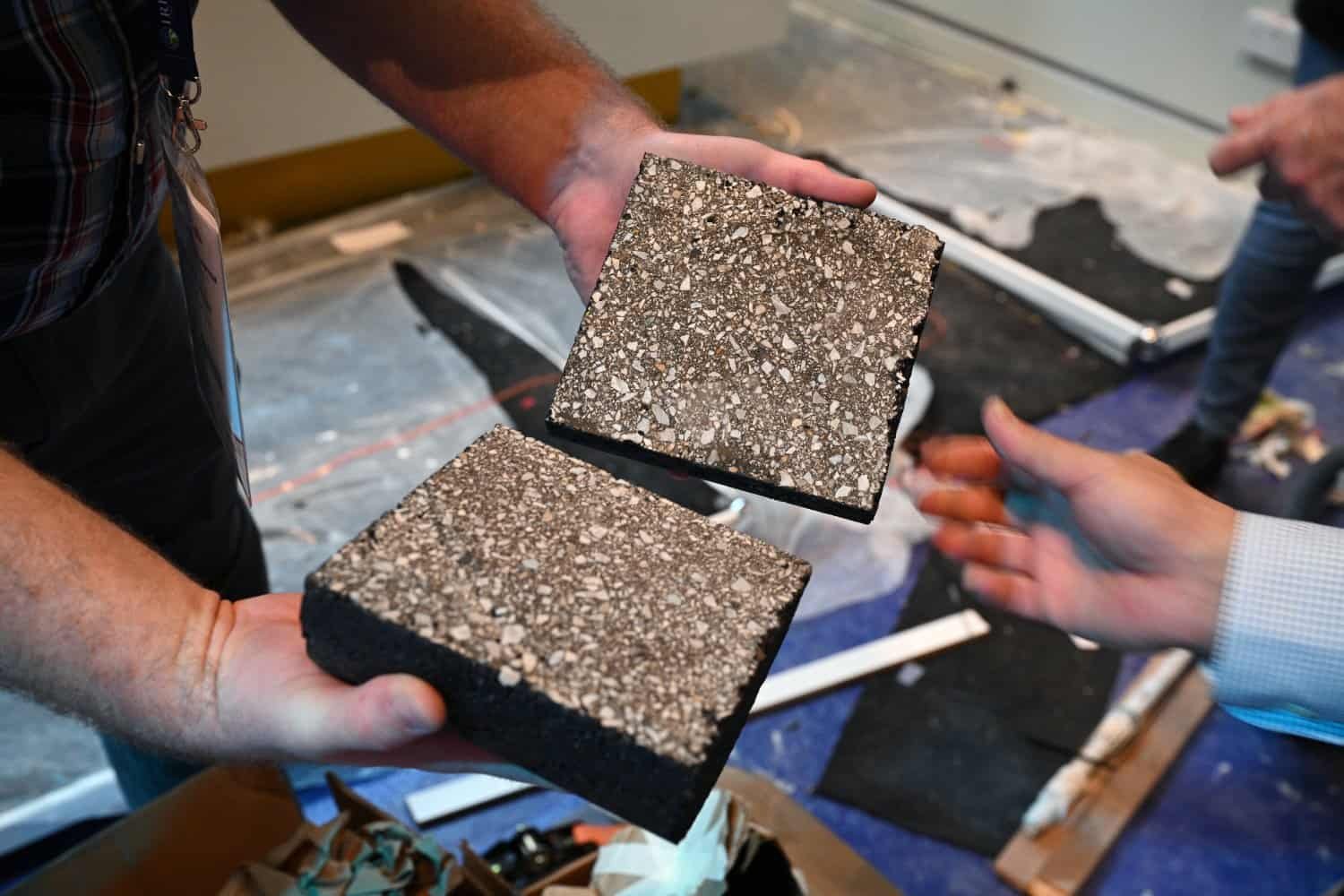
Aligned with SDG 9 – Industry, Innovation and Infrastructure – Uberbinder’s technology supports resilient infrastructure, sustainable industrialization, and climate-positive innovation. By replacing fossil oil-based bitumen, reducing production temperatures, and enabling circular material systems, the company is transforming one of the world’s most carbon-intensive industries.
“Our partners help us move faster,” says Yang. “But our goal is clear: delivering durable, low-carbon roads the world needs to meet the climate challenge head-on.”
There are over 25 million miles of paved roads worldwide, which is enough to travel to the moon and back 50 times. Uberbinder is working to ensure every mile helps build a low-carbon future.