


Take urgent action to combat climate change and its impacts
At Thompson Rivers University (TRU), the Institute for Wildfire Science, Adaptation, and Resiliency (IWSAR) is creating knowledge about fighting and living with wildfires, alongside the protection of fragile ecosystems. Recent research studies are exploring fire behavior and its ecological impact, and shaping wildfire strategies with communities to build resilience.
“TRU is engaged in a shared task of improving not just Canada’s response to wildfires but the world’s response,” says Dr Jill Harvey, Canada Research Chair in Fire Ecology at TRU.
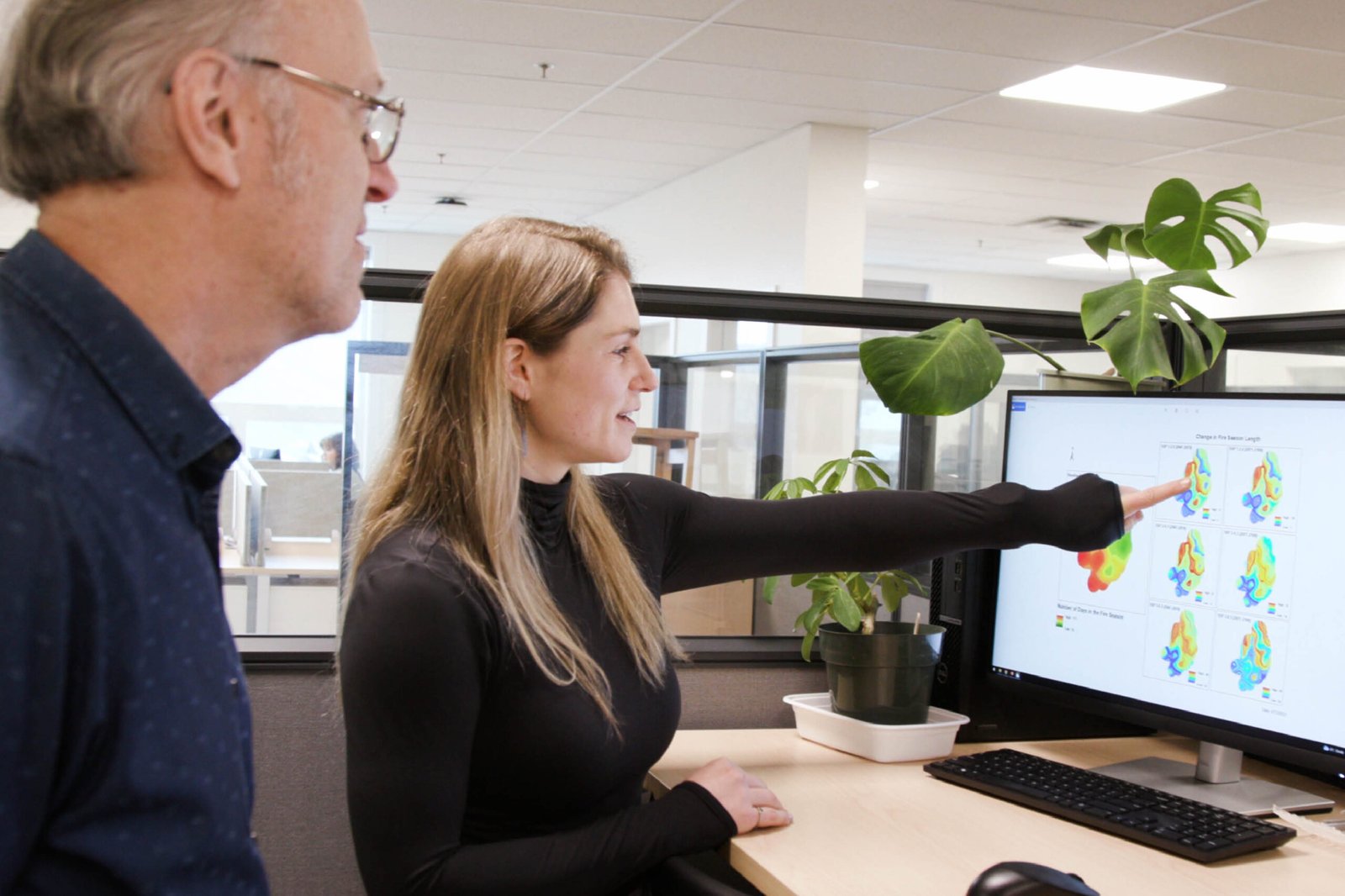
Dr Harvey’s own work on dendrochronology, or the dating and study of tree rings, is a great example of the type of world-class research being conducted at the institute. By studying trees’ growth, it is possible to learn from historical fires and understand how future events may affect forest regeneration and biodiversity.
TRU’s main campus is in Kamloops, in British Columbia’s interior region, where the diverse forest ecosystems provide the unique opportunity to combine classroom learning with fieldwork and the collection of real-time data.
As part of the university’s integrated approach, local partnerships are crucial. Whether working with the policymakers at British Columbia’s Ministry of Forests or the frontline firefighters of the British Columbia Wildfire Service, TRU brings together research and operational experience to inform education and training.
Rob Schweitzer, Assistant Deputy Minister of the British Columbia Wildfire Service, welcomes the integration at TRU where graduates have learned “practical skills and a systems mindset. They understand the ecology, but also the people, policy and practices involved.”
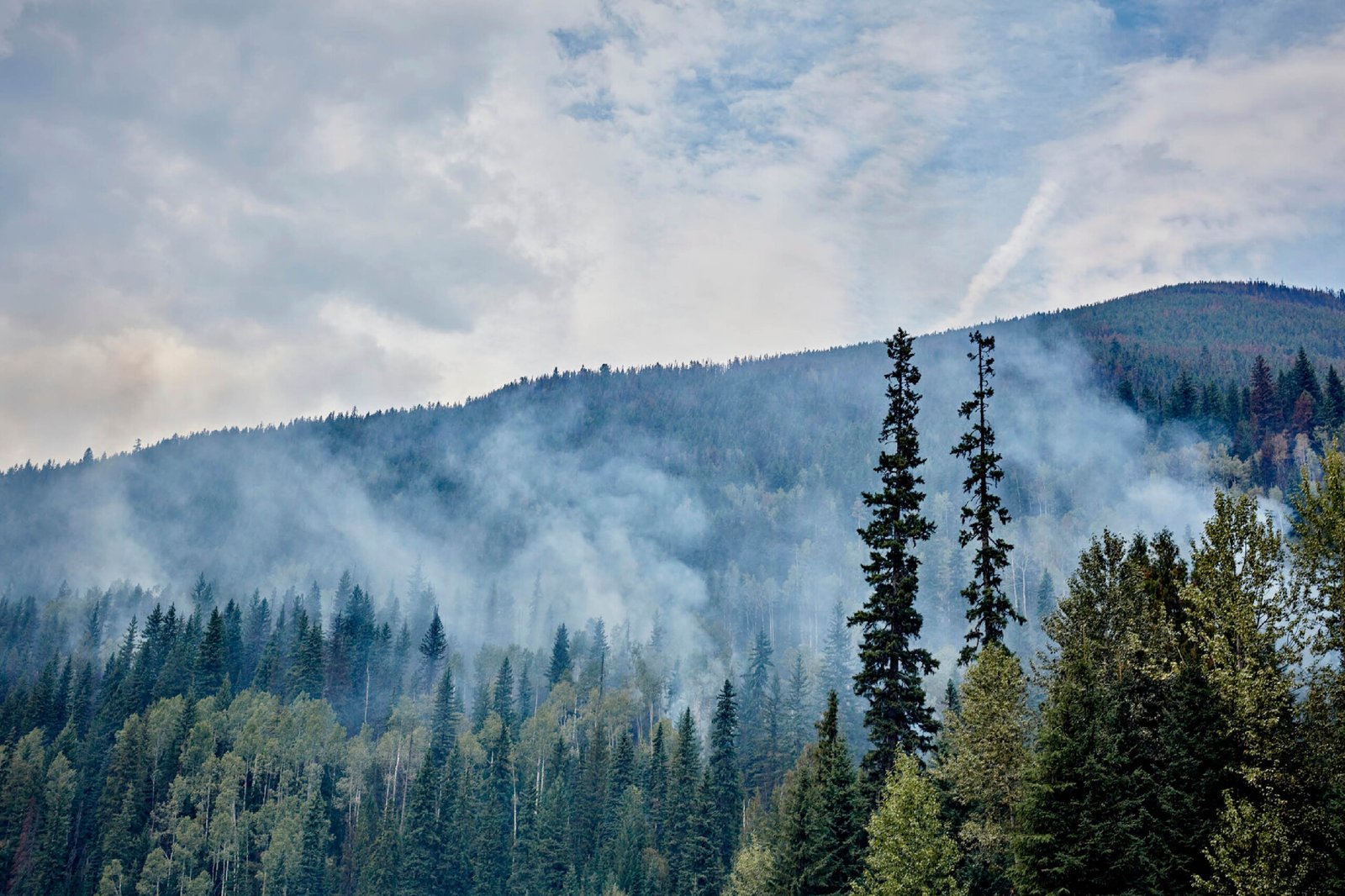
TRU’s use-inspired and interdisciplinary research approach to wildfire is helping to advance the emerging field of wildfire studies. By combining expertise in fire ecology, data science, and meteorology, the university’s fire-weather forecasting initiative has developed models that predict conditions up to ten days in advance.
“By integrating machine-learning techniques, we’re enhancing the precision of these forecasts, providing a crucial window for preparedness and proactive decision-making,” says Dr Harvey.
Such predictions of fire weather patterns have valuable applications for communities, and, in particular, Canada’s wildfire fighting agencies.
According to the British Columbia Wildfire Service, wildfires today are becoming more severe and complex, so the response is now about long-term strategy rather than just suppression. TRU’s monitoring of the ecological role of fire – how it changes the landscape and biodiversity – is a key part of this approach, along with collaborative partnerships to address SDG 13, taking urgent action to combat climate change and its impacts.
“Through education, research, and community collaboration, we’re building a resilient future, providing a future for every Canadian to be part of the solution,” says Olivier Jumeau, Environmental Science master’s student at TRU.
TRU is on Secwépemc territory. The university learns from and works with Indigenous peoples, who have used fire as a stewardship practice for millennia.