




Build resilient infrastructure, promote inclusive and sustainable industrialization and foster innovation
A single disruption in space can ripple into chaos, grounding flights, destabilizing power grids, silencing communications, and eroding defense readiness.
Yet nearly 15% of spacecraft experience anomalies linked to a poor understanding of the true orbital environment. Solar storms, space debris, and shifting atmospheric density all threaten satellites that modern life depends on.
Space DOTS was conceived to close this knowledge gap. The company deploys satellite-mounted DataDOT sensors to gather in-orbit measurements from regions where reliable datasets simply do not exist. Its SKY-I platform then uses AI to transform this raw data into real-time environmental intelligence for operators, manufacturers, and mission planners.
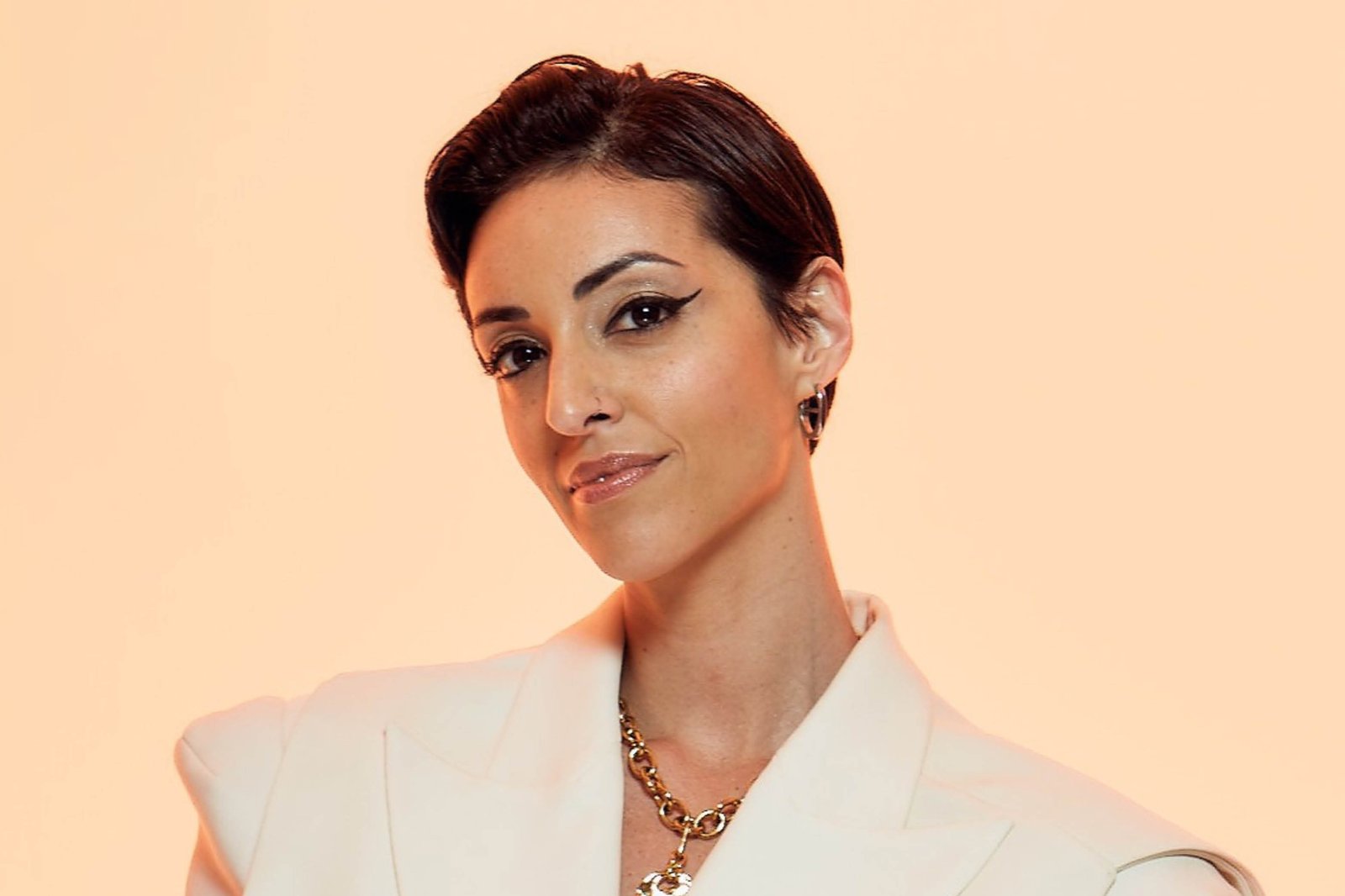
“Our payloads don’t just observe, they empower. They enable spacecraft, operators, governments, and industries to design missions with foresight instead of risk,” says Space DOTS founder and CEO Bianca Cefalo.
Cefalo brings extensive industry experience to Space DOTS, having contributed to NASA’s InSight Mars mission and served as a product manager at Airbus Defence and Space, focusing on telecommunications satellites.
She established UK-based Space DOTS in 2022 after recognizing that large aerospace organizations often struggle to adopt disruptive innovation.
In 2025, the company completed a $1.5 million seed funding round led by Female Founders Fund, bringing total funding to $3.2 million to support expansion of its space environmental intelligence capabilities.
2025 also saw Space DOTS reach a major operational milestone with the successful launch of its first DataDOT sensor. The payload flew aboard a SpaceX mission and was hosted on a D-Orbit ION Satellite Carrier operating in low Earth orbit on a sun-synchronous trajectory. From this vantage point, the sensor continuously monitors environmental conditions in space – generating critical insights into the hazards spacecraft face every day.
The mission marked Space DOTS’ transition from concept to capability. Through collaborations with launch and satellite partners, the company demonstrated that it can move fast, forge partnerships, design, build, and deploy to deliver real-time orbital intelligence today.
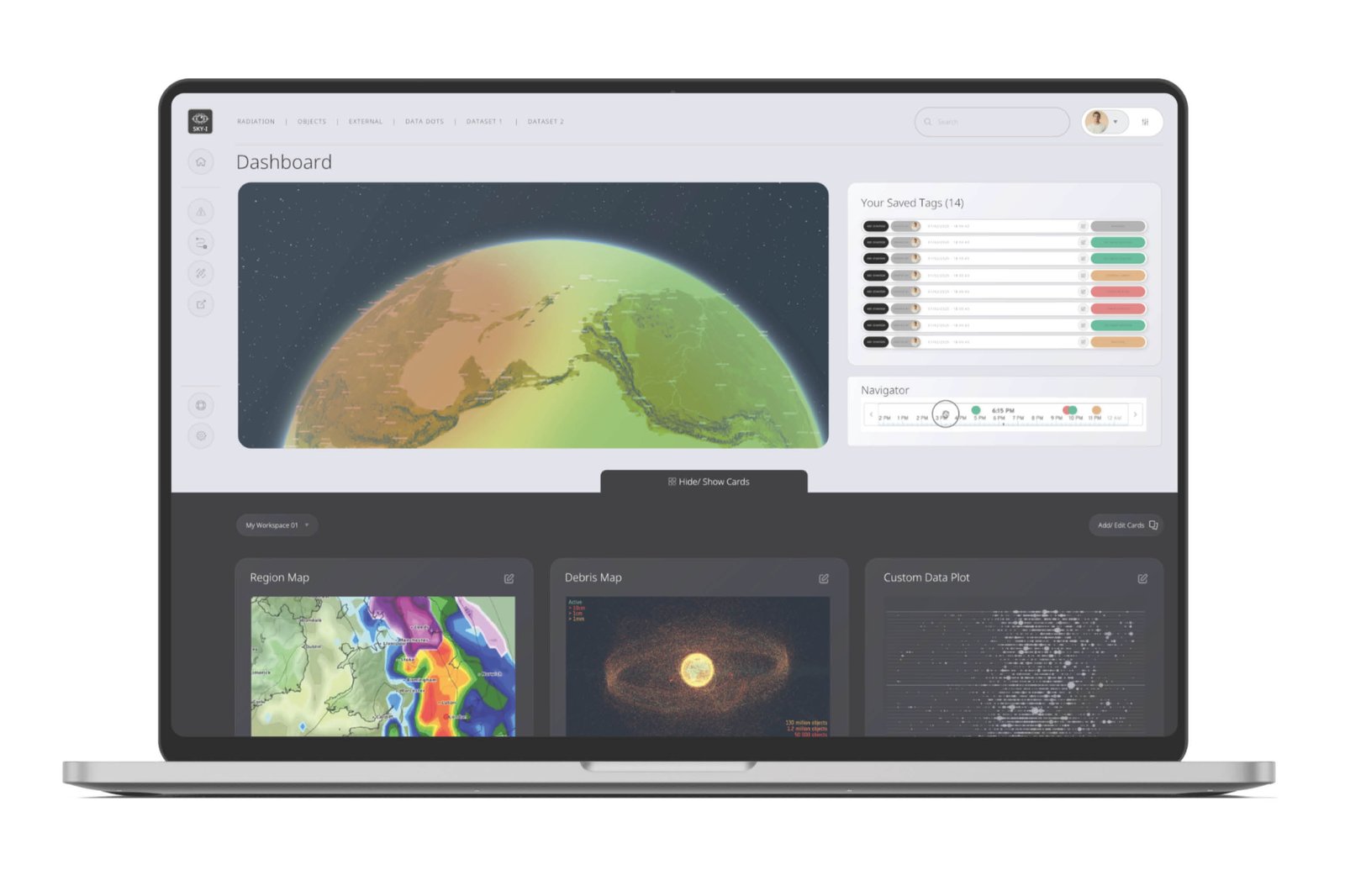
This step forward supports the company’s broader vision: an integrated space intelligence ecosystem, enabling safer, more efficient operations across commercial, civil, and defense sectors.
Infrastructure in orbit needs to be protected. Space threats may be invisible, but their impacts are not. Every moment, unseen forces above Earth influence the systems below, from navigation satellites guiding aircraft to networks powering homes and securing communications.
Space DOTS aligns with SDG 9, to build resilient infrastructure, promote inclusive and sustainable industrialization, and foster innovation. By improving understanding of orbital conditions, the company helps protect the critical infrastructure that modern societies rely on.
As Cefalo explains, “The more we understand orbital conditions, the better we can protect terrestrial assets.”
Space DOTS CEO Bianca Cefalo is currently the only female company founder in Europe who can claim to be operating proprietary technology in orbit.