




Ensure access to affordable, reliable, sustainable and modern energy for all
Oxford PV is a pioneer in perovskite solar photovoltaic (PV) technology and has developed next-generation solar panels that deliver significantly higher energy output than conventional silicon solar panels. In today’s solar modules, silicon is the primary semiconductor used to convert sunlight into electricity.
Oxford PV’s innovation lies in combining a silicon semiconductor with a perovskite semiconductor in a tandem architecture, delivering high-efficiency solar products. When perovskite and silicon are used together, they absorb complementary parts of the solar spectrum. This enables more sunlight to be converted into electricity than silicon alone.
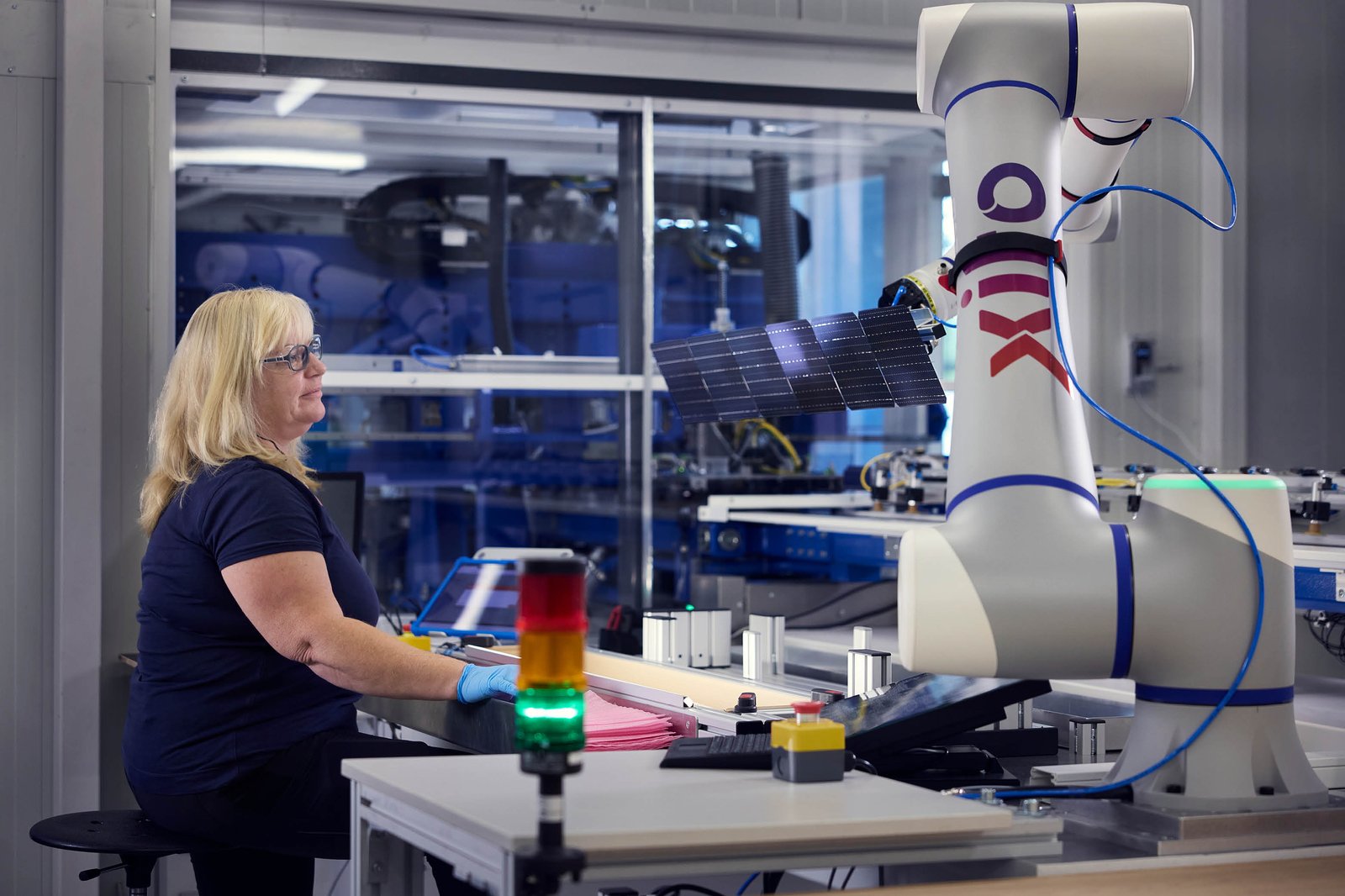
By increasing efficiency at the module level, tandem solar addresses one of the central challenges of the energy transition: supplying rapidly growing global electricity demand with clean, scalable power.
“Higher efficiency unlocks applications that were previously constrained by space, weight, or economics,” says Ed Crossland, Chief Technology Officer at Oxford PV. “Tandem solar allows more energy to be generated from the same physical footprint by making more effective use of the incoming sunlight.”
Oxford PV was founded in 2010 as a spin-off from the University of Oxford, building on Professor Henry Snaith’s pioneering research. Since then, the company has led the commercialization of perovskite-based solar technology.
Around a third of the company’s 150 staff is based at their R&D center and headquarters in Yarnton, UK. The remainder are located at its manufacturing facility in Brandenburg an der Havel in Germany, focusing on industrial production and scale-up.
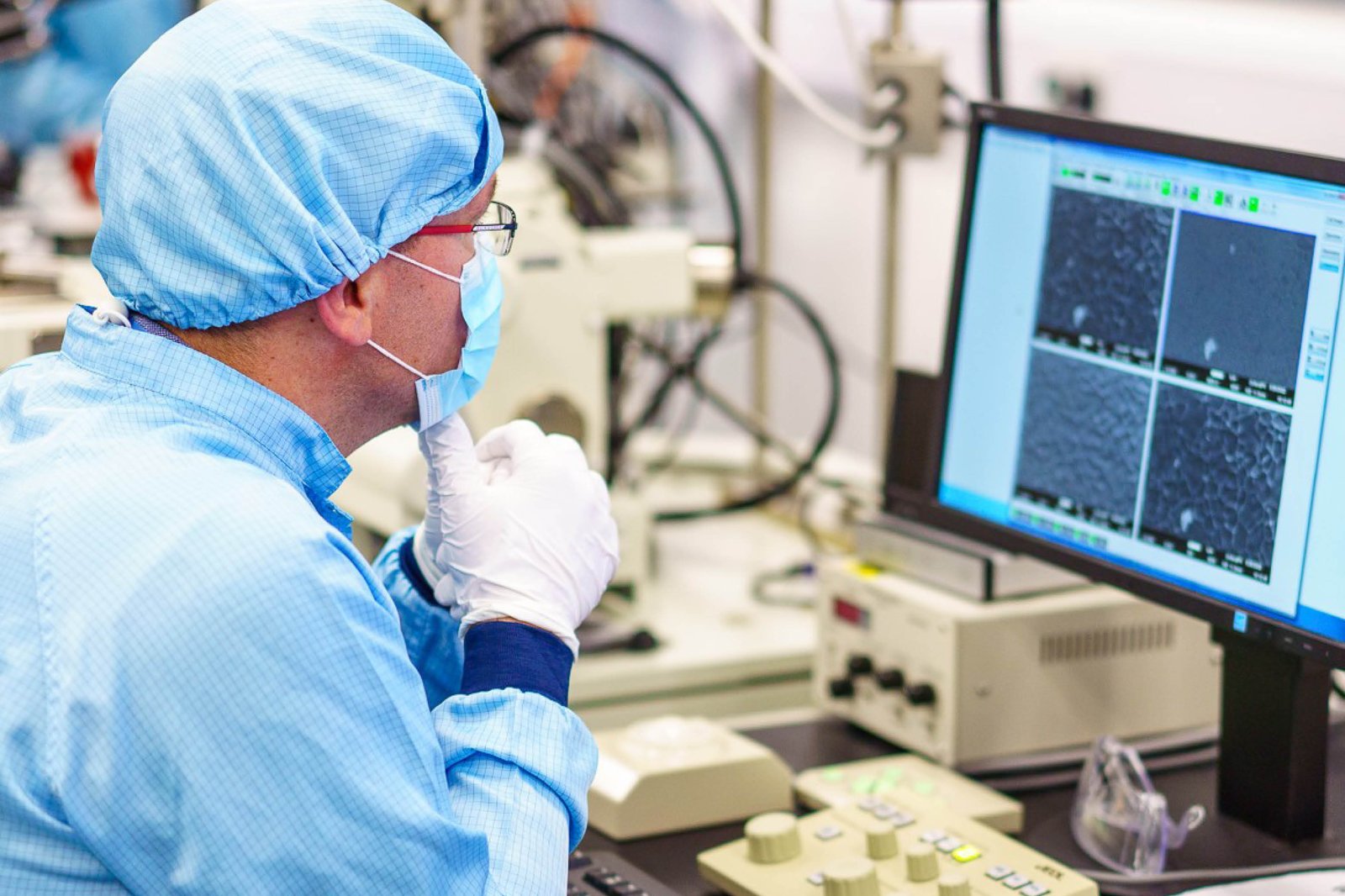
Perovskite tandem solar modules already deliver today up to 20% more power than conventional silicon panels, and this is just the beginning. Oxford PV’s technology roadmap targets a 27% efficient product in 2027 and 30% in 2030, setting a new benchmark for solar performance. By combining perovskite with silicon, the technology has the potential to increase the efficiency of silicon by up to 30% compared with the best future silicon-only solutions. This represents a true step change in solar power generation.
These efficiency gains translate into real-world benefits: up to 10% lower levelized cost of energy, around 12% higher returns on investment, and more than 20% additional power output per unit area for utility-scale solar projects.
Oxford PV’s next-generation tandem solar cells have the potential to fundamentally alter the future of solar power. Its greater efficiency will lead to cumulative environmental benefits, from more efficient land use to a reduction in reliance upon fossil fuels, which aligns with SDG 7 – ensuring access to affordable, reliable, sustainable, and modern energy for all.
“Perovskite tandem solar is redefining photovoltaic performance,” says David Ward, CEO at Oxford PV. “By delivering more clean energy through smarter use of resources, Oxford PV is accelerating the transition to a rapidly electrifying world.”
Oxford PV has set multiple world records for solar cell efficiency, including achieving 26.9% efficiency for a residential-sized solar panel, enabling up to 20% more power from the same footprint compared with today’s best conventional silicon panels.