


Ensure sustainable consumption and production patterns
Traditional construction consumes vast amounts of raw materials, energy, and time. Modulaire Group is challenging that model through modular construction, in which buildings are manufactured in sections in controlled factory settings and quickly assembled on site.
Because modules are built off site, projects typically involve fewer deliveries, less disruption, and reduced waste compared with conventional building methods. The company also refurbishes units between uses, ensuring that materials remain in circulation rather than being discarded – a practical example of resource efficiency in action.
Headquartered in the UK and operating in more than 20 countries across Europe and the Asia Pacific region, Modulaire supplies modular buildings for sectors including education, healthcare, infrastructure, and industry.
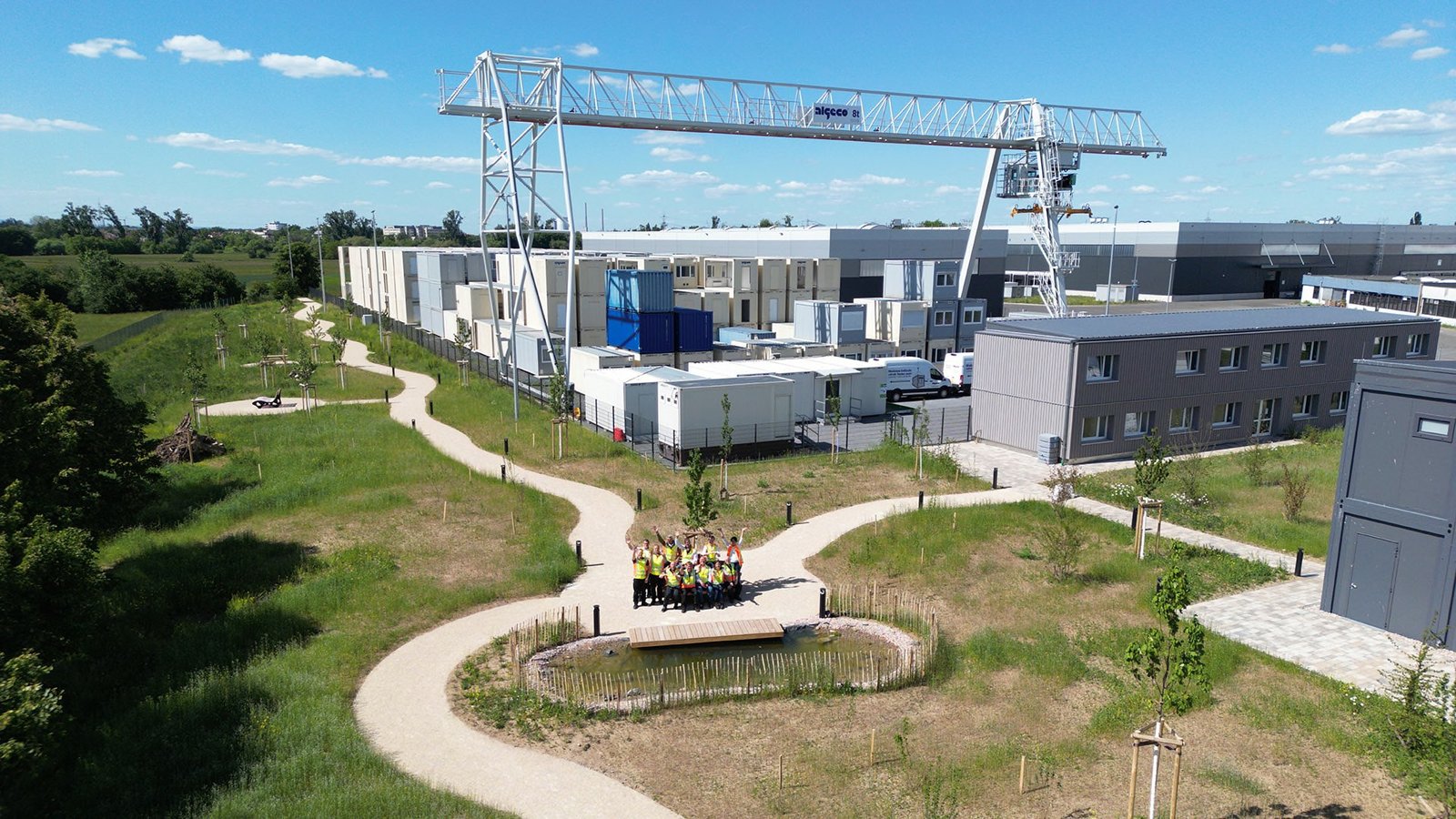
Crucially, these structures are designed to be reused, relocated, and reconfigured many times over their lifespan. This approach, known as “Loops within Loops”, ensures that buildings as well as their components are sustainable. Upgraded and redeployed, materials are kept in use for longer, reducing pressure on natural resources, and creating less waste.
“There is tremendous potential for engineering to advance sustainable development across the globe. At Modulaire we have developed circular approaches such as our ‘Loops within Loops’ model that keeps resources active longer and directly supports our customers’ and partners’ sustainability objectives,” says Richard Ingram, Interim CEO and Chairman at Modulaire Group.
Modulaire’s approach is particularly valuable for projects with changing timelines or uncertain long-term needs. A school may require extra classrooms during a population surge; a hospital may need temporary wards during renovation; and infrastructure projects often need short-term offices or accommodation.
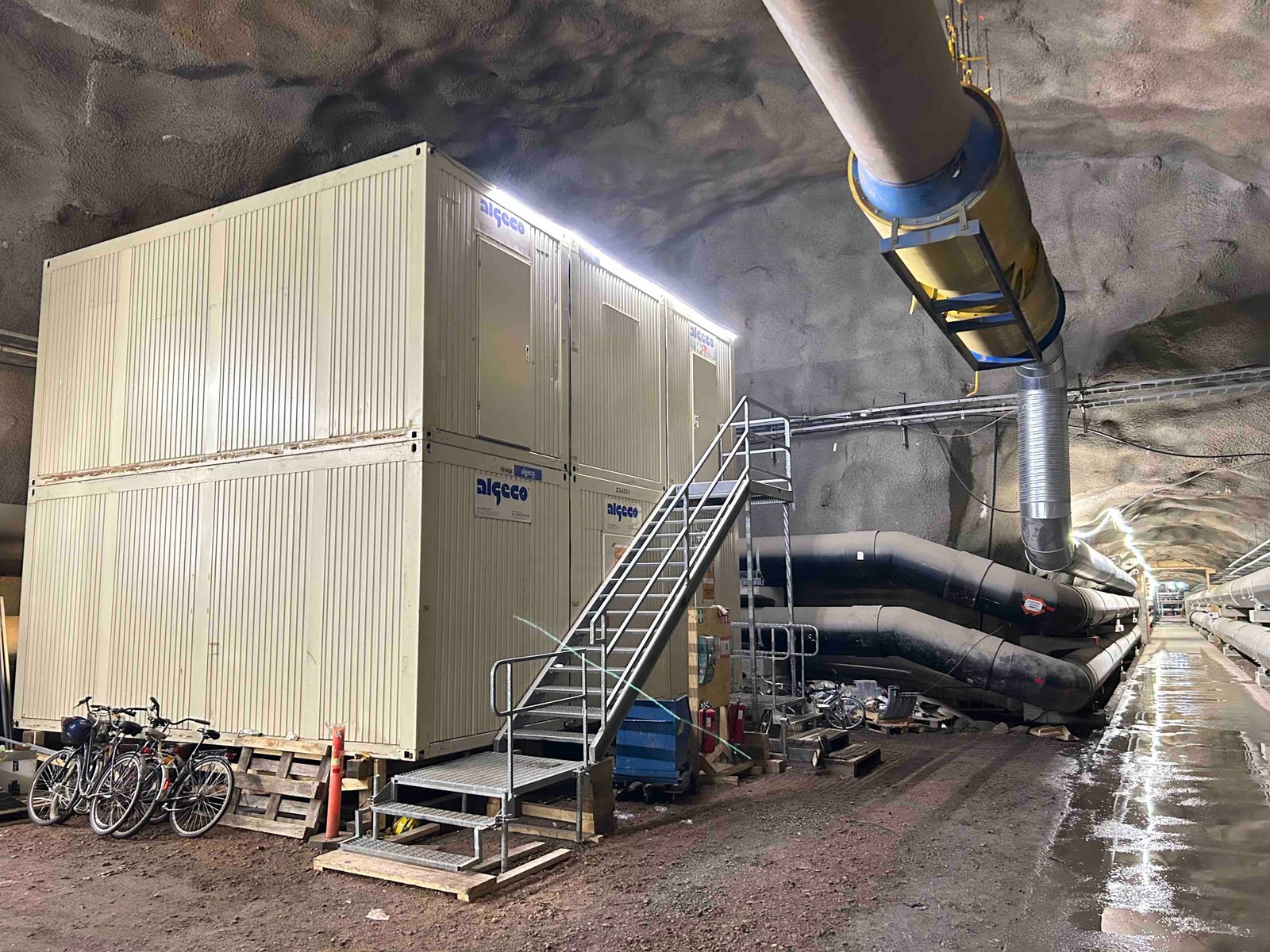
For example, when the existing fire station at Hydro Aluminium’s plant no longer met safety requirements, Modulaire designed and installed a temporary modular fire station. Its construction minimized disruption to production. When the facility is no longer needed, the modules will be returned, refurbished, and redeployed.
Importantly, refurbishment is not simply cosmetic. Systems, insulation, and fittings are upgraded to meet current standards, extending useful life without starting from scratch, and demonstrating how innovative engineering can align economic efficiency with environmental responsibility.
“We’re not throwing buildings away – we’re giving them a second, third, or fourth life,” says Inder Poonaji, Group Director of ESG and Sustainability at Modulaire Group.
Modulaire’s business model directly supports SDG 12, which calls for more sustainable consumption and production patterns. By designing buildings for durability, reuse, and refurbishment, the company helps reduce waste generation and resource depletion.
The organization’s sustainability strategy emphasizes circular economy principles – keeping materials in use for as long as possible and extracting maximum value from them. This approach not only lowers environmental impact, but also offers clients cost-effective flexibility, demonstrating that sustainable practice and practicality can go hand in hand.
“Engineers and designers are developing building methods that make materials easy to reuse, creating spaces that can adapt to serve multiple purposes throughout their lives. Our teams are harnessing these innovations to deliver low carbon modular buildings that support sustainable development,” says Emma Cunningham, Chief Operations Officer at Modulaire Group.
Modulaire’s Loops within Loops circular business model delivers modular buildings with up to a 73% lower carbon footprint than traditional construction.