


Ensure access to affordable, reliable, sustainable and modern energy for all
ITER is reimagining the future of clean energy. Unlocking the vast potential of fusion – the nuclear reaction that powers the sun and stars – promises sustainable, carbon-free energy.
This multinational research and engineering project is building a huge tokamak, a device in which the fusion process based on the same principle that powers our sun and stars is being replicated. ITER is designed to prove the feasibility of fusion as a large-scale and carbon-free source of energy. Crucially, unlike nuclear fission, fusion does not generate any long-lived, highly radioactive waste.
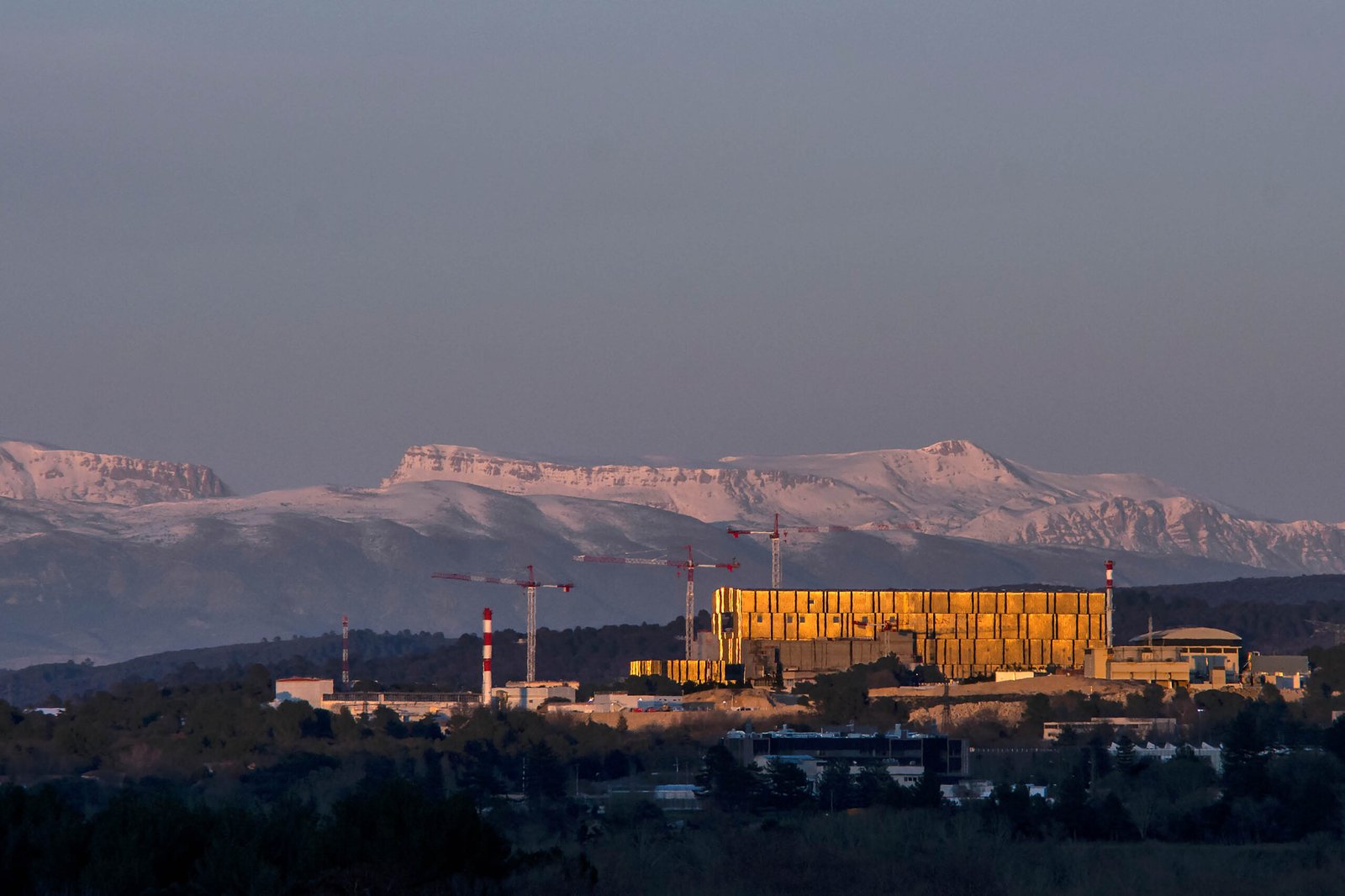
“We’ve proven fusion works on a small scale,” says ITER Communication Officer Sabina Griffith. “ITER is the ultimate experiment to prove we can do it on an industrial scale.”
A complex built on a 445-acre site in southern France, ITER (meaning “the way” in Latin) unites 34 nations, including EU member states, China, India, Japan, South Korea, Russia, and the US.
The organization came about following a proposal in 1985 between the former Soviet Union and the US to develop fusion energy for peaceful purposes. Today, it is the world’s largest international scientific and engineering collaboration. Some 5,000 people work for ITER, which is set to begin active research in 2034.
The ITER tokamak is the most advanced ever built, unsurpassed in size. Inside this experimental machine, plasma containing the hydrogen isotopes deuterium and tritium will be superheated until fusion occurs, releasing energy. In subsequent commercial versions of this power plant, this energy will drive steam turbines to generate electricity.
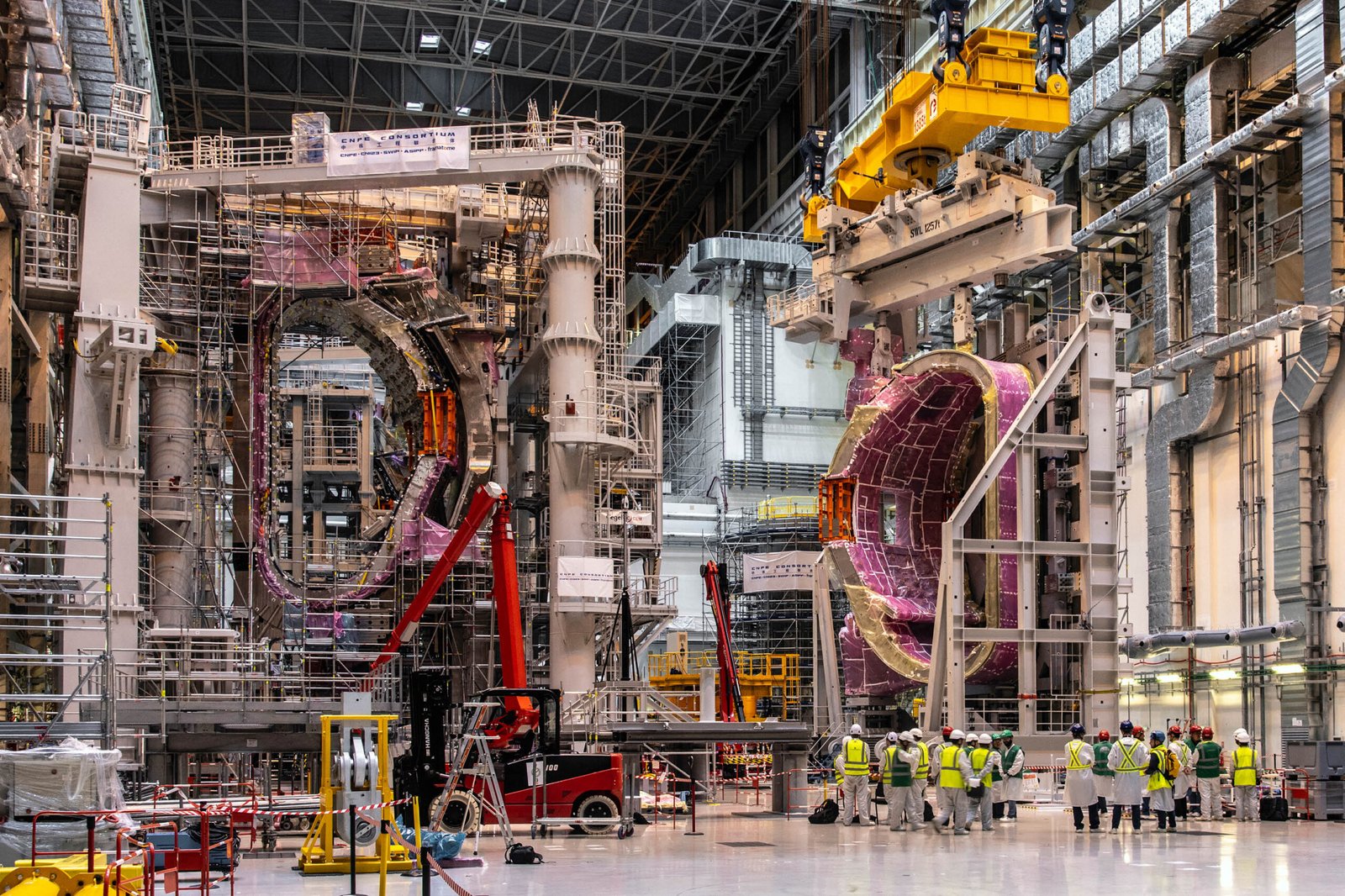
ITER’s components are cutting edge. No physical material on earth can resist the 150 million ˚C heat of fusion (ten times hotter than the core of the sun), so the plasma is contained by huge superconducting magnets. Conversely, the magnets need to be cooled to –270˚C to operate efficiently – meaning the tokamak will contain the hottest and coldest places in the universe.
“We didn’t invent the tokamak, but ITER is raising the bar across the project – most of our components are first of a kind,” says Griffith.
Fusion is a cleaner, safer, and highly efficient alternative to other energy sources, capable of producing limitless and abundant supplies of power globally. By researching and demonstrating the feasibility of fusion power as a carbon-free form of energy, ITER is aligned with SDG 7, which aims to ensure access to affordable, reliable, sustainable, and modern energy for all.
ITER proves what can be achieved when people collaborate to overcome the challenges of the future. “Humans dared to design ITER and humans dare to build it. I’m so proud and grateful that I have the chance to work on this unique project,” says Griffith.
The ITER tokamak will have a plasma volume of 830 cubic meters – more than eight times that of other tokamaks operating today.