

End poverty in all its forms everywhere
Deep in northeastern Democratic Republic of the Congo (DRC), Kibali shows how large-scale engineering projects can transform remote regions. The mine’s philosophy centers on delivering shared value: employing local people, building skills, and supporting regional development.
Built on a foundation that is technically sound, socially rooted, and environmentally responsible, Barrick Country Manager Cyrille Mutombo describes Kibali as a template for sustainable growth in the DRC. “Kibali is more than a mine. It’s a partnership that anchors the regional economy. It’s Congolese-led, Congolese-supplied and built to last.”
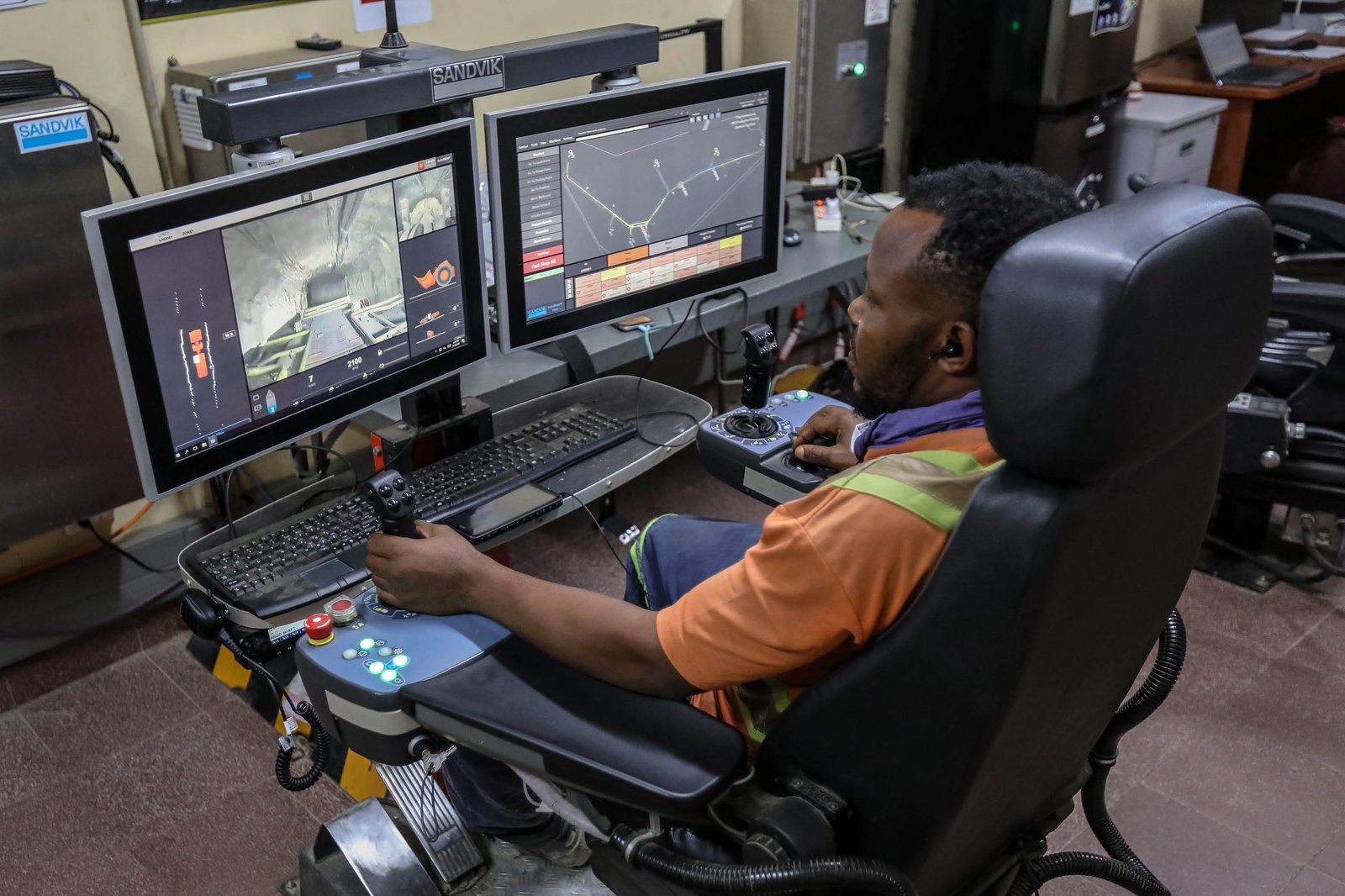
The mine is operated by Barrick, and owned through a joint venture of Barrick, AngloGold Ashanti, and Société Minière de Kilo-Moto (SOKIMO). Located in Haut-Uélé province, the mine is a major contributor to the regional economy, employing 2,100 people directly, with many more supported through contractors and local suppliers.
Kibali also relies heavily on in-country procurement, helping local businesses grow alongside the operation – over 700 Congolese companies are supported in this way and through capacity-building initiatives.
Engineering at Kibali extends far beyond the mine. Barrick has developed extensive infrastructure, including roads, power generation, water systems, schools, and healthcare facilities, that also benefit surrounding communities.
The mine operates one of the largest renewable electrical grids in Africa’s mining sector, combining hydropower with solar generation and battery systems to provide reliable electricity in an area previously lacking a stable supply. The system can provide the site with 100% renewable energy for six months of the year.
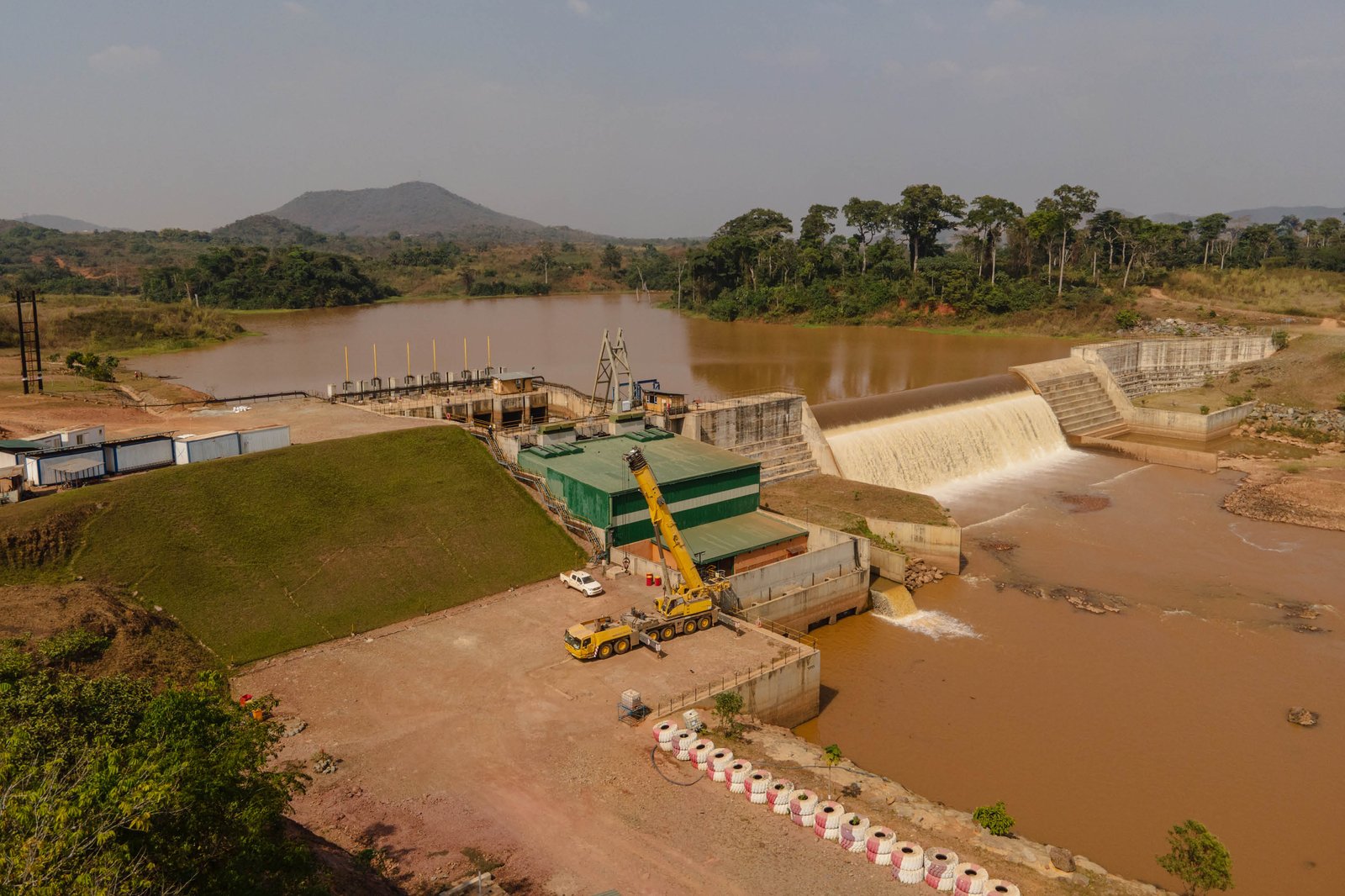
One of the hydro plants also supplies electricity to nearby communities, helping schools to educate, clinics to function, and homes to have light at night.
Barrick’s Chief Operating Officer for Africa and the Middle East, Sebastiaan Bock, describes Kibali as “fast becoming a model for renewable energy in African mining”.
Kibali’s development aligns closely with SDG 1, which aims to end poverty in all its forms. By creating jobs, building infrastructure, and supporting local enterprise, the project addresses both immediate economic needs and long-term resilience.
For mining to be sustainable, it should leave a positive legacy. Barrick’s investments in education, vocational training, healthcare, and clean water aim to ensure communities continue to thrive beyond the lifetime of the mine.
Collaboration with government authorities and local leaders helps align these initiatives with national development priorities in areas ranging from environmental protection and poaching prevention to the provision of reliable energy.
In 2025, Kibali produced around 20 tonnes of gold, making it the continent’s largest gold mine.