

Ensure availability and sustainable management of water and sanitation for all
The standards system in the US is built on collaboration. Stakeholders and experts across sectors work together to develop voluntary, consensus-based guidance documents that boost business, innovation, and sustainability. Under the oversight of American National Standards Institute (ANSI), this longstanding system has produced a comprehensive array of standards for products and services – standards that grow economies and improve quality of life.
“Standards are the invisible foundation of everything we depend on – every secure online payment, every medical device that saves lives, every new technology, from surgical robots to AI-powered delivery systems,” says Dr Laurie E Locascio, President and CEO at ANSI. “Standards provide the guidance that enables all these things to work safely, work reliably, and work together.”
Founded in 1918, ANSI administers and co-ordinates the US standardization system, overseeing standards developing organizations (SDOs) so that all voices are heard in a fair, transparent process. The institute’s work is guided by its mission to protect the US standards system’s integrity, while promoting a healthy global economy and enhancing quality of life.
Over 1,400 member organizations participate, representing companies, SDOs, government entities, consumer groups, educational institutions, and other public- and private-sector innovators.
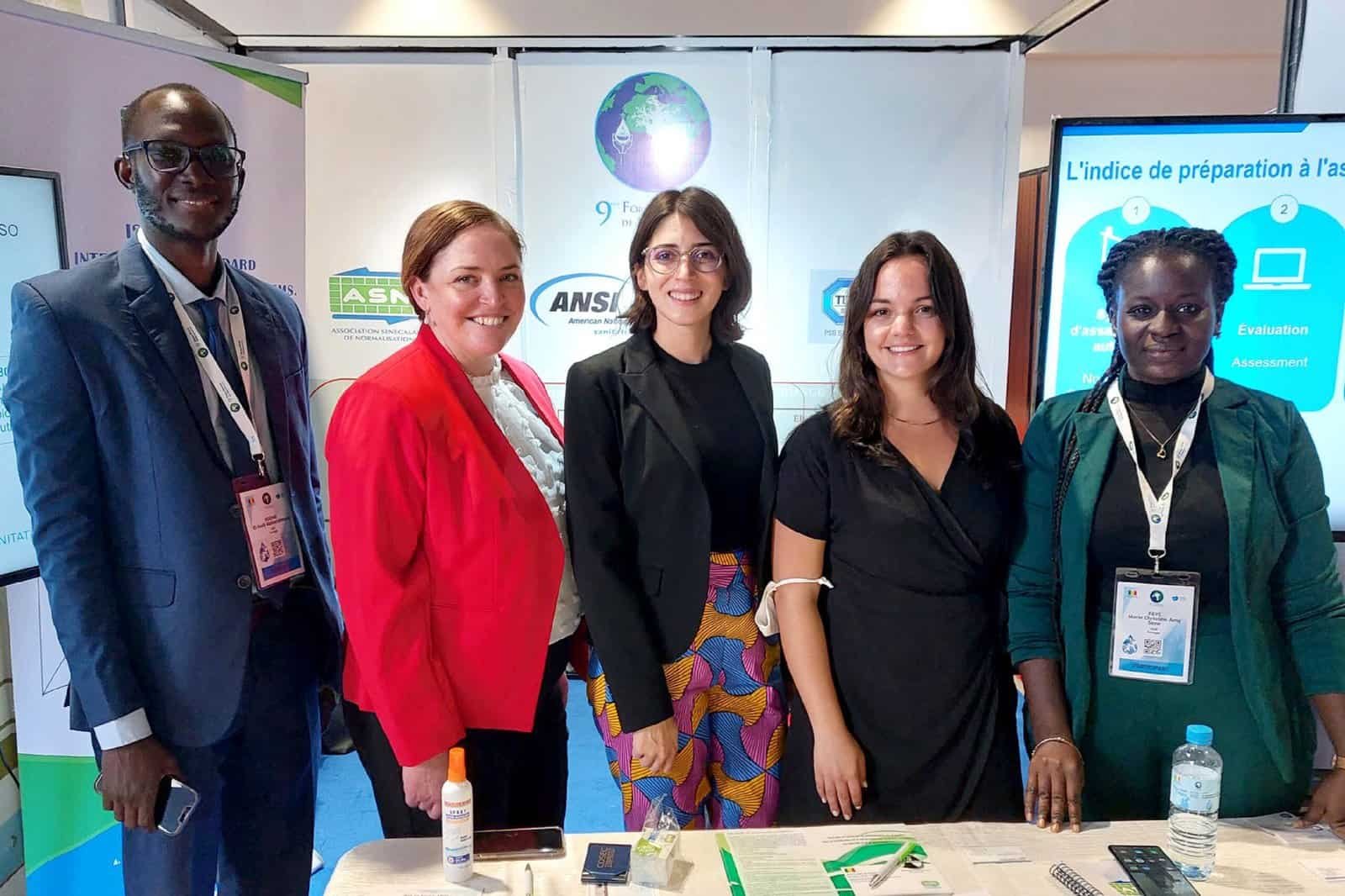
Beyond the US, ANSI collaborates with international partners to tackle global challenges. One notable example: the lack of access to safely managed sanitation for 3.4 billion people around the world. The institute partnered with the Association Sénégalaise de Normalisation (the equivalent national standards body in Senegal) to lead the committee that developed an international standard for safe, non-sewered sanitation systems.
The project was as ambitious as it was critical, with a focus on systems that treat waste off-grid – making them usable in any country, including areas where sewered sanitation systems are not cost effective, unavailable, or impractical. The resulting standard – ISO 30500 – promotes the availability and sustainable management of water and sanitation for all, progressing the UN’s SDG 6.
Standards aren’t static: in 2025, seven years after ISO 30500 was first developed, the standard was revised to improve efficiency of the product and address new challenges based on real-world experiences.
“This cycle of develop, deploy, learn, and improve is how international standardization drives progress,” says Leslie McDermott, Senior Director, International Development at ANSI.
The sanitation project shows what is possible through cross-border collaboration. By leading the development of international standards to improve public health, ANSI is supporting healthier communities, education and job opportunities, and sustainable development worldwide.

From emerging technologies to infrastructure, health, and climate change, complex issues can be addressed in every sector through international standardization.
“By working together across borders and bringing diverse voices to the table, we can tackle global challenges and build a more sustainable, equitable future,” says Dr Locascio.
Up to 93% of global trade is facilitated by conforming to standards and technical regulations.