


Take urgent action to combat climate change and its impacts
Albany International’s 130-year-old heritage in textiles and materials science is helping power its most modern business, Albany Engineered Composites (AEC). By utilizing its expertise in materials development and processing, the company is pioneering more durable, cost-effective, and sustainable components for the aviation and aerospace sectors.
“Instead of layering fibers, we weave them together across multiple dimensions,” says Robert A Hansen, Senior Vice-President and Chief Technology Officer at Albany International. “The result is a structure that is not only lighter, but significantly stronger and more resistant to fatigue and impact.”
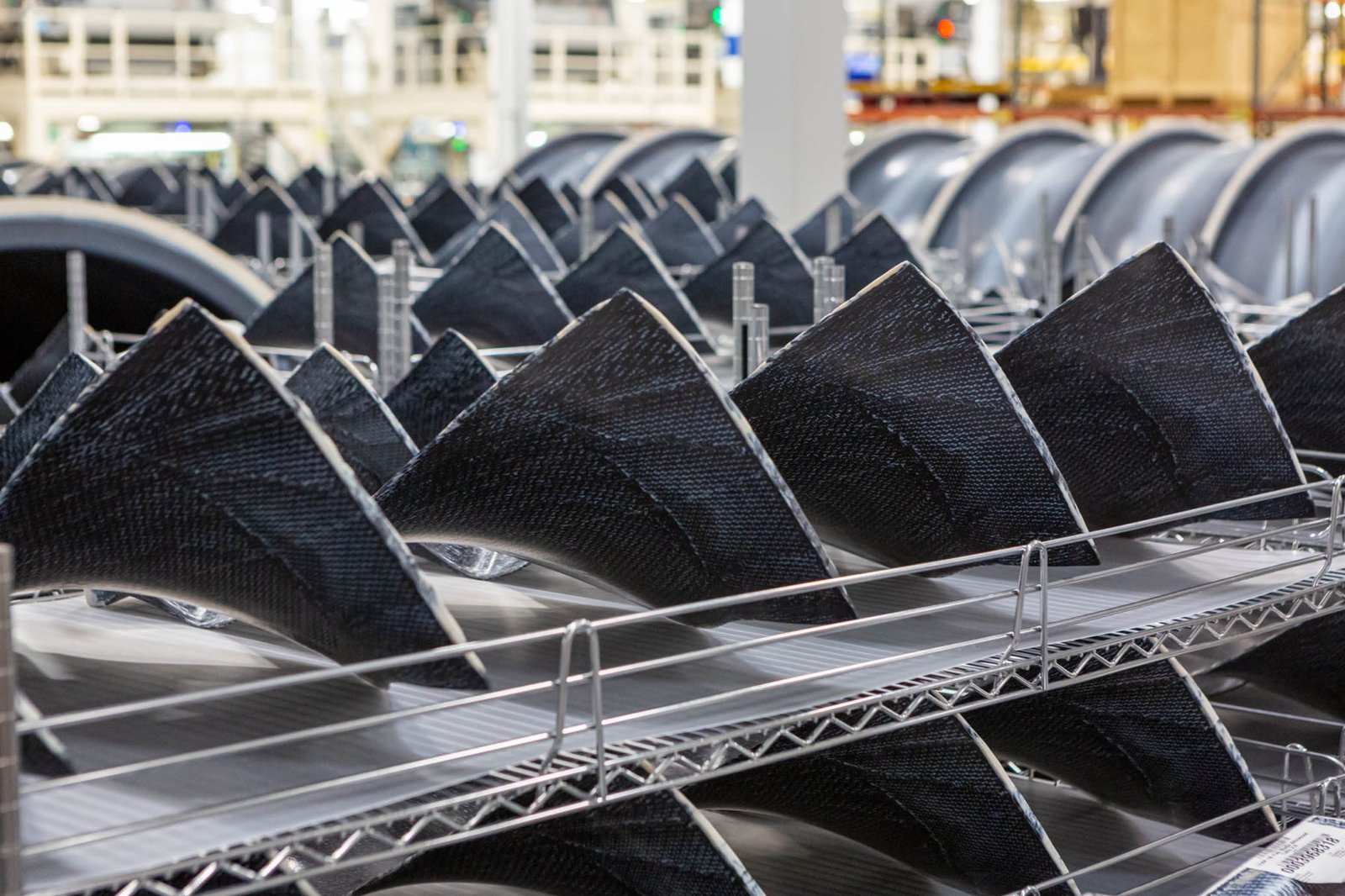
To create its cutting-edge aircraft components, AEC has facilities spanning the US, Mexico and France. It has partnered with industry leaders such as engine manufacturer Safran and together, since 2014, they have developed engine components that have transformed commercial aircraft from Airbus to Boeing and Comac.
AEC’s aim is that lower-carbon footprint, lower-cost components will be deployed across the aerospace industry in place of heavier metal components. This offers the potential of making both air and space travel more affordable and accessible, with less environmental impact.
“By applying our expertise to the challenges of modern aviation, we are delivering cleaner, more efficient solutions for the skies while extending our technology into new areas such as space,” says Hansen.
The difference that Albany International can make is seen in its contribution to the CFM LEAP (Leading Edge Aviation Propulsion) aircraft engine. The engine’s fan blades, spacers, and cases are manufactured from AEC’s own 3D woven carbon fiber, rather than environmentally-intensive titanium or less durable traditional composites. These composite components help deliver up to 15% better fuel efficiency than titanium versions, with significantly more resilience than traditional composite blades.
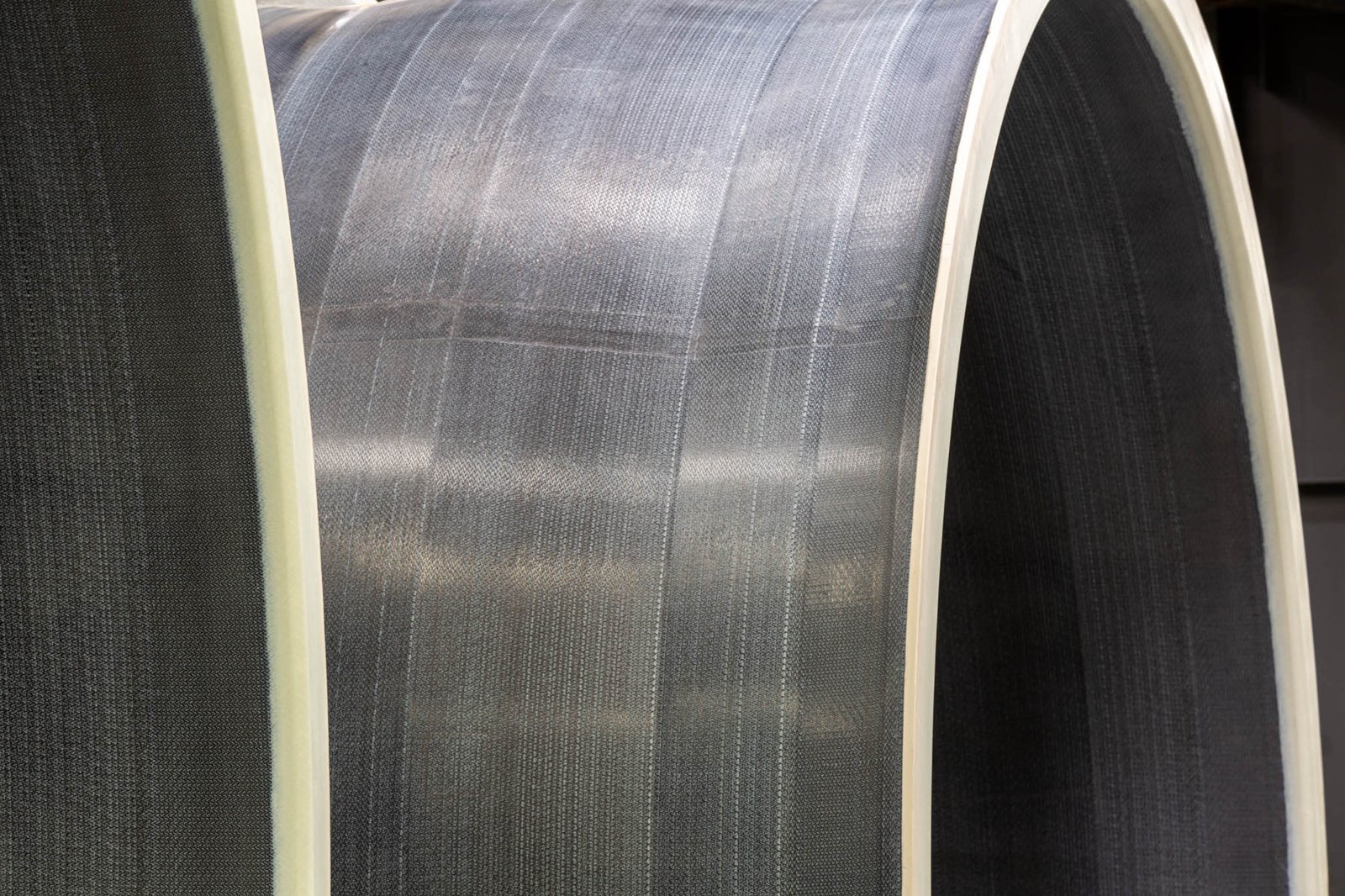
The manufacturing process involves the automated 3D weaving of each composite shape, which requires minimal cutting and leaves little waste. Infused with resin, each shape becomes solid, and the efficient production means low energy use in factories and consistent high quality in every part.
For Albany International, science-led innovation will facilitate the transition to a more sustainable world. The company supports SDG 13, which calls for urgent action to combat climate change and its impacts, and its AEC business contributes to this goal, both in its own manufacturing practices and its products, which reduce energy consumption and improve fuel and resource efficiency.
“Every kilogram saved in an aircraft means less fuel burn and fewer greenhouse gases released into the atmosphere,” says Hansen. “Our focus is clear: solving real industry problems today and building the materials that will define tomorrow.”
Albany’s technical and research expenses amounted to $48 million in 2025.