


Ensure sustainable consumption and production patterns
By focusing on precision and care, Albany International is leading the way in engineered fiber production. At the forefront of materials science and advanced textiles, it provides the machine clothing that drives the world’s paper mills.
“Albany turns resin into engineered fiber, a precise, continuous process that keeps production lines running smoothly all over the world,” says Robert A Hansen, Senior Vice-President and Chief Technology Officer at Albany International.
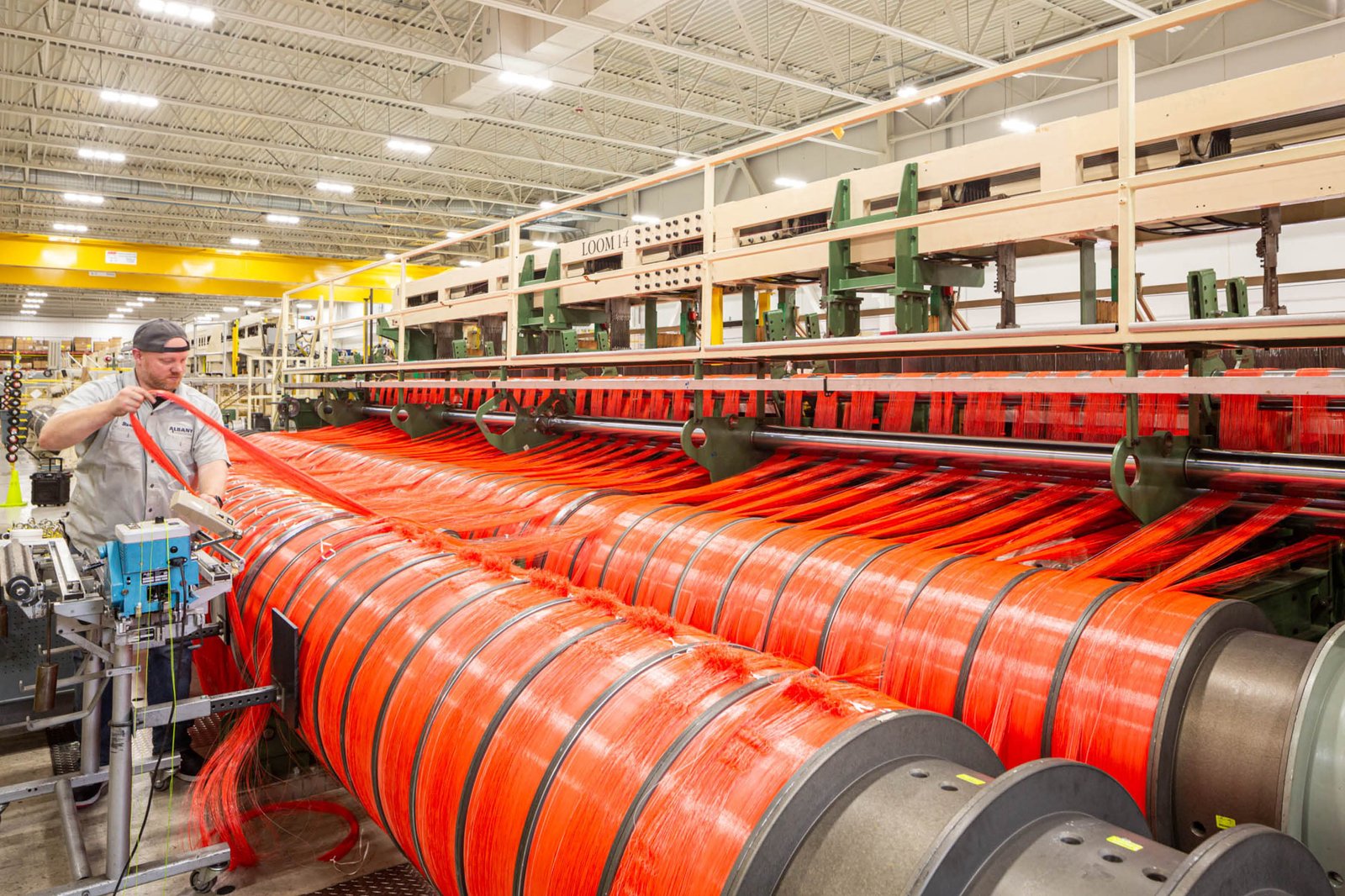
Its custom-designed industrial fabric belts, which are essential for the manufacture of materials such as paper, cardboard, tissue, towel, and pulp, utilize both advanced materials processing and automation. In its use of AI, the company is similarly advanced in calculating its carbon footprint, so innovation and responsibility move forward together.
Albany International’s Machine Clothing division is a descendant of its original business – a family-owned textile manufacturer for local papermakers, founded in 1895 in Albany, New York.
Today, the company is based in New Hampshire and has a presence in 13 countries from Sweden to China. Thanks to investment in research and development, its innovative custom solutions help customers worldwide to optimize performance, cost, and their own sustainability credentials.
In 2023, Albany International expanded its know-how and reach by acquiring Heimbach, the leading German supplier of paper machine clothing. This strategic move is helping the company to increase its scale and broaden its global footprint in serving European and Asian markets more efficiently and sustainably.
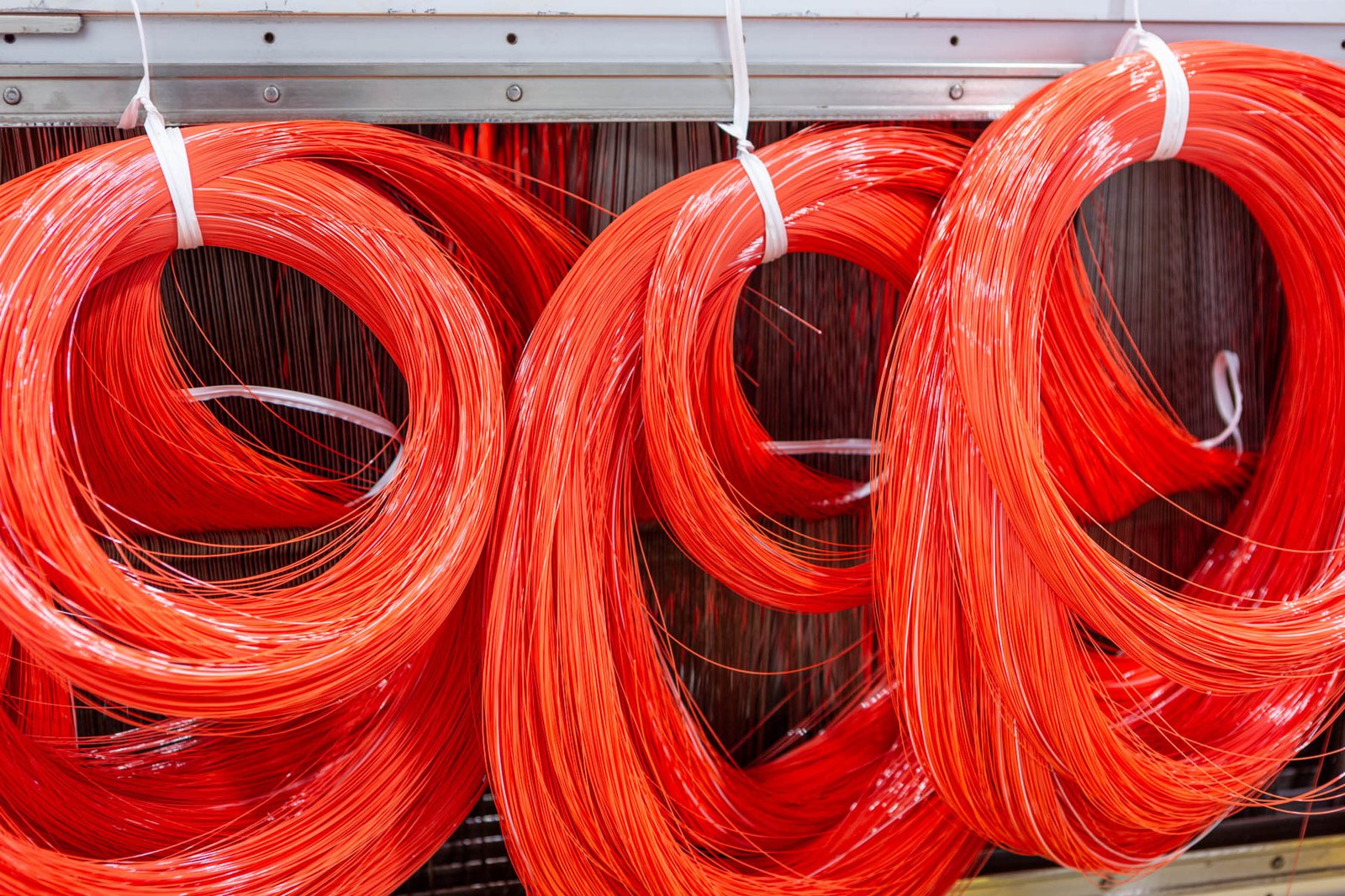
On a micro level, Albany International’s monofilament plant in Homer, New York, is one center of the company’s expertise, operating 24 hours a day in a sophisticated, continuous process. For example, before being cleared for use, resin pellets, the raw materials of the finished fibers, are checked and approved for moisture, color, and purity. At the end of production, each fiber filament is wound onto a spool under precise computer control. From start to finish, the process is marked by precision.
The company aligns with SDG 12, which encourages responsible consumption and production, and cleaner industrial practices.
Besides creating sustainable products and processes for customers, Albany International aims to reduce its own Scope 1 and 2 emissions by half, and achieve zero waste to landfill for the Americas and Europe by 2030.
By using AI tools, the company monitors the carbon footprint of every product, drawing in data from each stage of production. “We can see in real time how design choices, material selection, or process changes affect emissions. It helps our engineers make better, faster decisions,” says Hansen.
“For Albany, it’s not only about making the best product, but making it in the most sustainable way.”
Starting as plastic pellets, which are transformed into spooled fiber, Albany International’s material undergoes more than 200 tests for color, shrinkage, and strength.