

Ensure access to affordable, reliable, sustainable and modern energy for all
Adani Green Energy Limited (AGEL), the renewables arm of the Adani Group, is India’s largest clean energy producer with capacity of close to 18 GW, expected to reach 50 GW by 2030. This will position the group to contribute over 10% of India’s 500 GW of non-fossil fuel capacity goal by 2030, leveraging its unique integrated infrastructure platform within a conglomerate to build ultra-large-scale renewable energy projects, such as at Khavda in Gujarat. The Khavda project development by Adani Green Energy necessitates combining the collective strength and specialized expertise within the Adani portfolio as well as AGEL’s indigenous supply chains and strong vendor networks, bringing the world’s largest renewable energy (RE) plant to fruition.
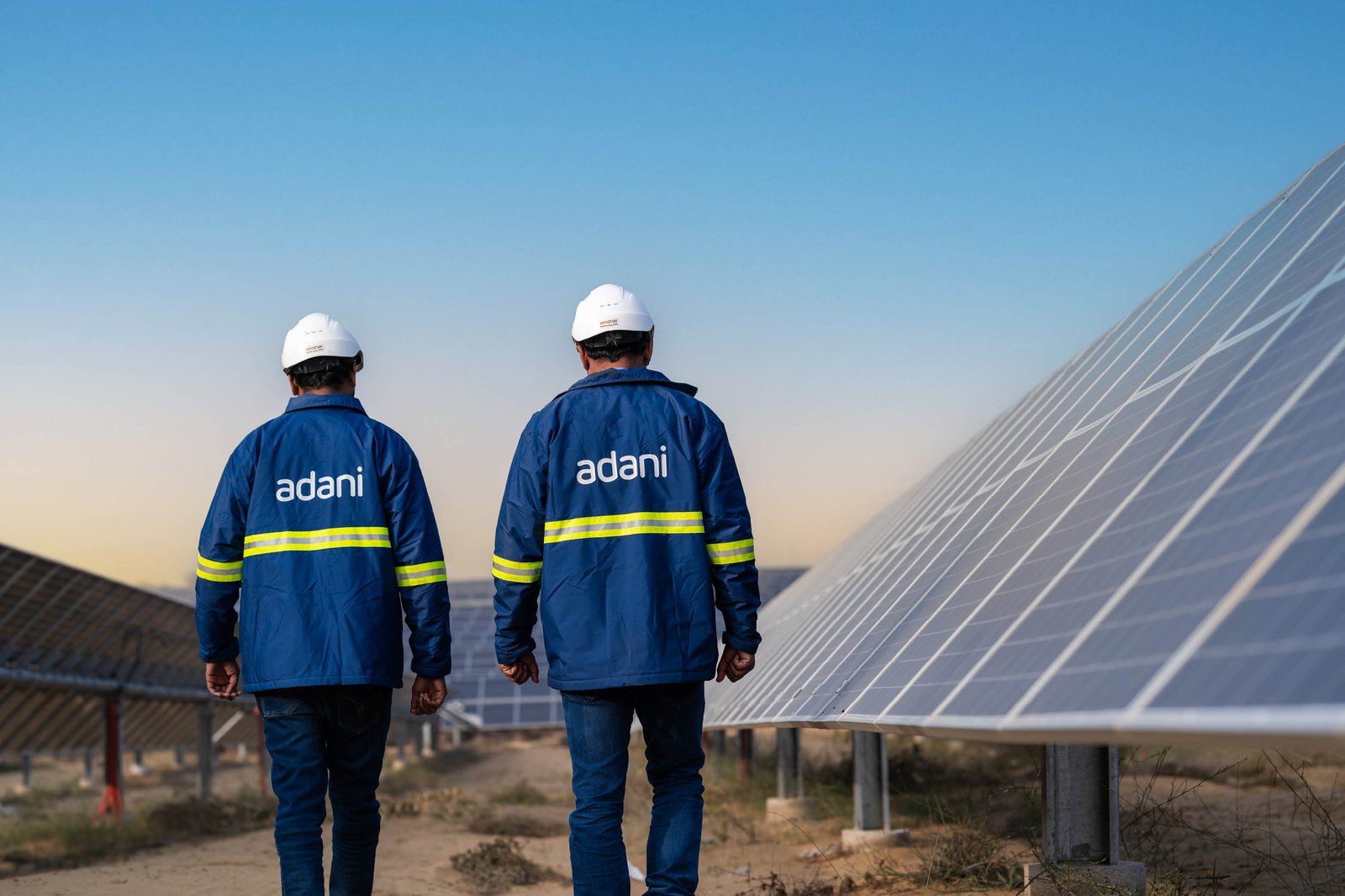
“We are demonstrating that clean energy can be large-scale yet affordable, powerful yet inclusive,” says Sagar Adani, Executive Director at Adani Green Energy. “This is India’s contribution to the world – a model where progress and sustainability move forward together. Our Khavda renewable energy plant stands as an emblem of India’s climate action. It reflects the collective strength of Adani Green Energy, Adani Energy Solutions, and Adani New Industries working in unison to advance an integrated renewable future.”
Founded in Ahmedabad, Gujarat in 1988, the Adani Group originally traded commodities but has since expanded its activities into a broad range of industries, from mining and infrastructure to green energy production.
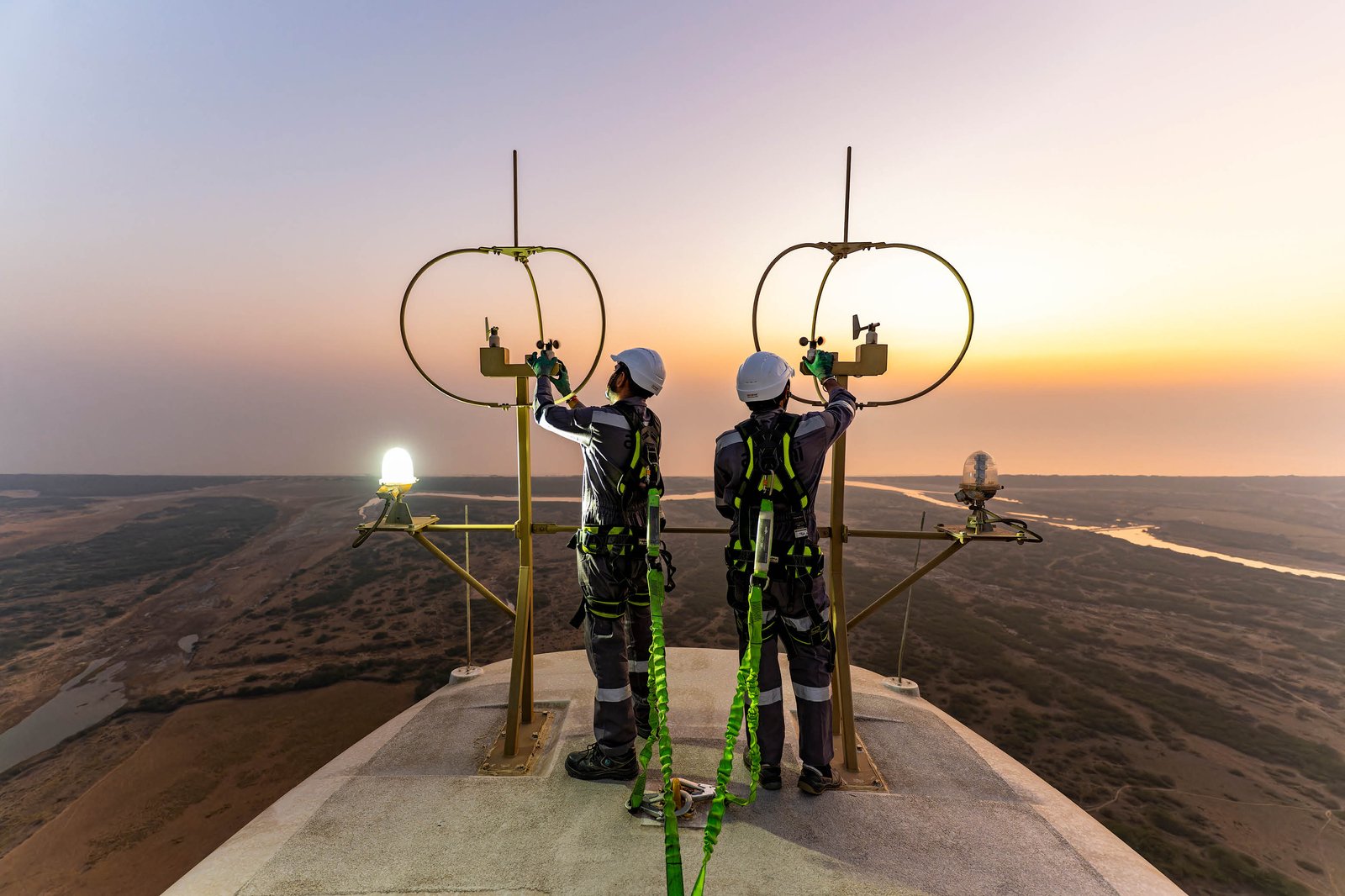
The group’s 13 publicly listed companies and over 48,000 employees serve customers in more than 50 countries. In the past decade, the group has increasingly focused upon renewable energy, in recognition that the world’s growing population will require a larger supply of clean, reliable power.
Adani’s Khavda Renewable Energy Park located in Kutch, Gujarat is the world’s largest renewable energy project. By 2029, the development aims to generate 30GW of clean energy from a combination of solar modules and wind turbines, installed in the intense sun and strong winds of the region in which it is situated.
To date, Adani has operationalized around 8 GW of wind and solar energy across approximately 538 square kilometres, about five times the size of Paris. Alongside a planned 770 wind turbines and 60 million solar modules, this energy plant will generate enough power for more than 17 million homes and over 87 billion units of clean energy – equivalent to powering entire nations such as Belgium, Chile, or Switzerland. The company estimates that supplying this energy from renewable sources will avoid over 63 million tonnes of CO2 emissions every year.
Adani’s initiatives align with SDG 7 – advancing access to affordable, reliable, sustainable, and modern energy for all. The rigorous planning and accelerated execution embedded in its projects is helping to shape the next phase of renewable energy growth in India and beyond.
The Khavda plant deploys a waterless robotic cleaning system that not only leads to near-zero usage of water for module cleaning – saving 1,716 million litres – but which also increases electricity generation.