


Ensure sustainable consumption and production patterns
Accell provides electric mobility solutions in towns, cities, and communities across Europe. With a broad portfolio of acclaimed bicycle brands, the company plays an important role in shaping the way we move, live, and reduce our environmental impact.
“Each year, Accell enables millions of people to choose clean and low-carbon mobility,” says Jonas Nilsson, CEO of Accell. “Together, our teams and brands are helping accelerate the shift to electric and active transportation.”
As cities change to better accommodate bicycle transport for commerce, commuting, and pleasure, Accell is excellently placed to support this transition.
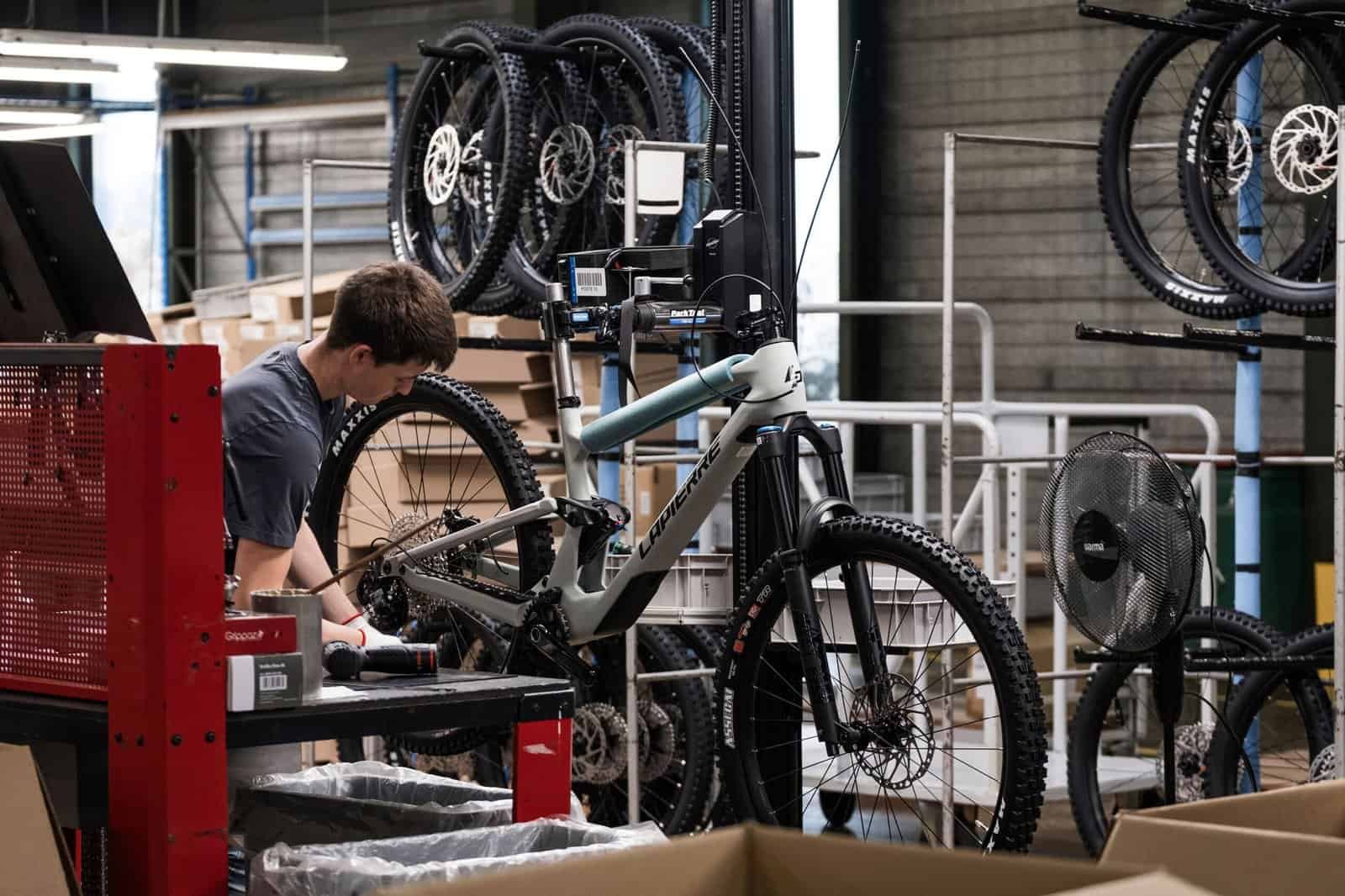
Accell employs around 2,000 people in 15 countries, supporting manufacturing and assembly in Europe. Its headquarters in Amsterdam, the Netherlands, brings together group functions and leadership teams.
The company’s bicycle portfolio includes well-known brands such as Lapierre, Haibike, Raleigh, Batavus, and Winora, across urban, performance, leisure, and mobility. Alongside these is XLC, Accell’s own brand of high-quality bicycle parts and accessories. Together, the products are supplied to dealers and consumers around the world.
Every journey on an Accell e-bike is a win, saving the atmosphere and local environment from the CO2 that would otherwise be emitted by fossil fuel-powered modes of transport.
Accell is hard at work exploring the potential of manufacturing bike frames from recycled aluminum. In addition, it has partnered with Dutch company Refurb Battery, which takes lithium cells from bike batteries to use in its circular energy storage technology. The program started in the Netherlands and Belgium and will be expanded to France and Germany, covering 70% of Accell’s battery footprint.
“Recovered battery cells have avoided over 537 tonnes of CO2, which is about the equivalent of 5,000 flights from Paris to New York,” says Chris Barrett, Accell’s Executive Vice-President of Manufacturing, Quality, and Service.
A sustainable future, in Accell’s view, is one where responsible innovation empowers communities, strengthens cities, and moves the world forward.
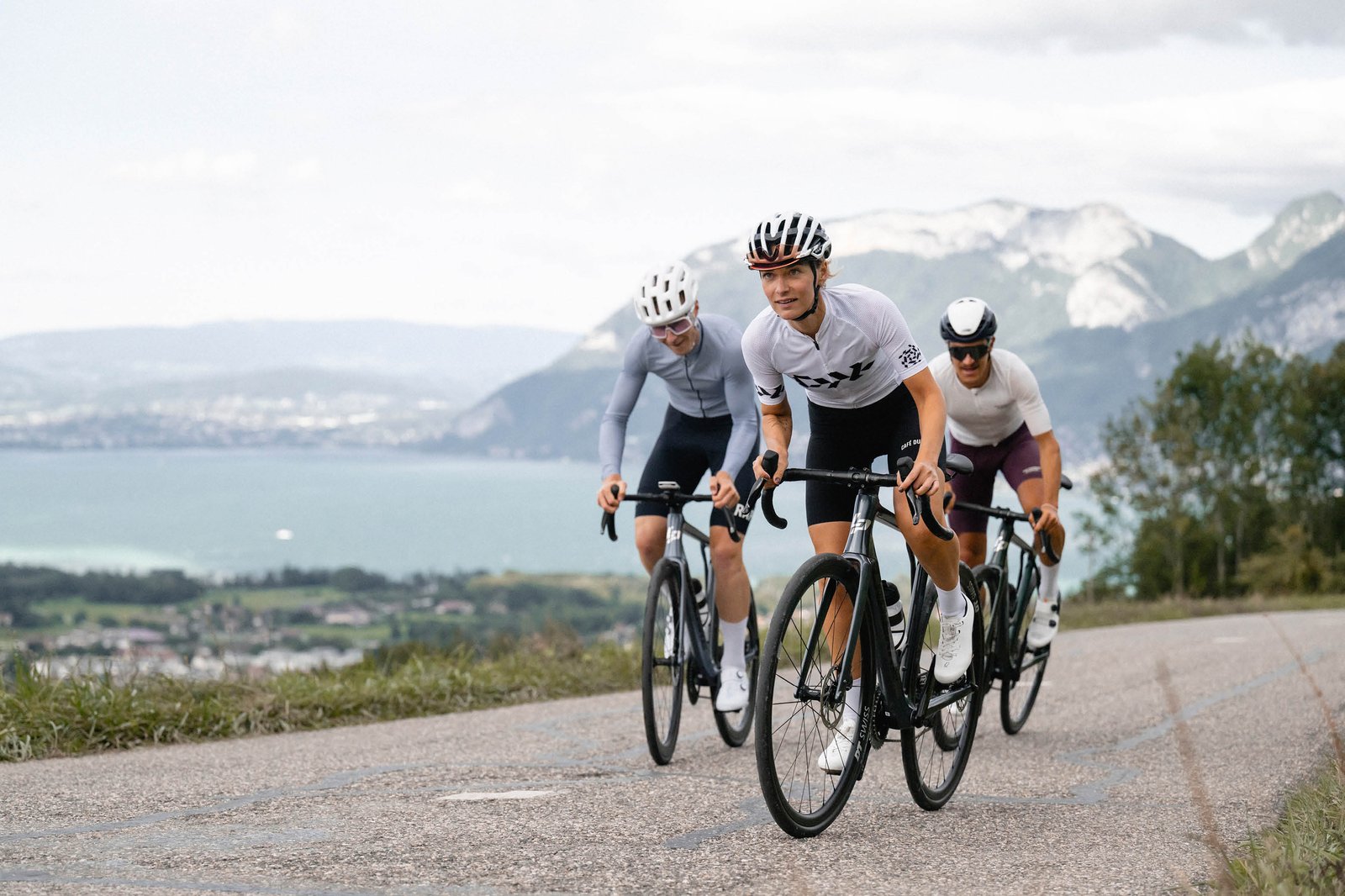
Guided by SDG 12, which calls for sustainable consumption and production, Accell is rethinking how value is created across its entire business. As Fatima-Zohra Mimouni, Accell’s Vice-President of Sustainability puts it, “Sustainability is ultimately about the impact we have on people’s lives.”
Beyond advancing the circular economy, Accell has partnered with World Bicycle Relief for eight years. The non-profit’s sustainable bicycle has helped to improve access to healthcare, education, and economic independence for more than 850,000 people in remote parts of Colombia and Africa, for example.
As CEO Nilsson emphasizes, “At Accell, sustainability isn’t just about cutting emissions; it’s about rethinking how we design, produce, and connect – creating real, lasting impact throughout the entire value chain for people, cities, and the planet.”
Since 2022, Accell e-bikes have helped avoid 157,000 tons of CO2 — that’s the equivalent of planting six million trees.